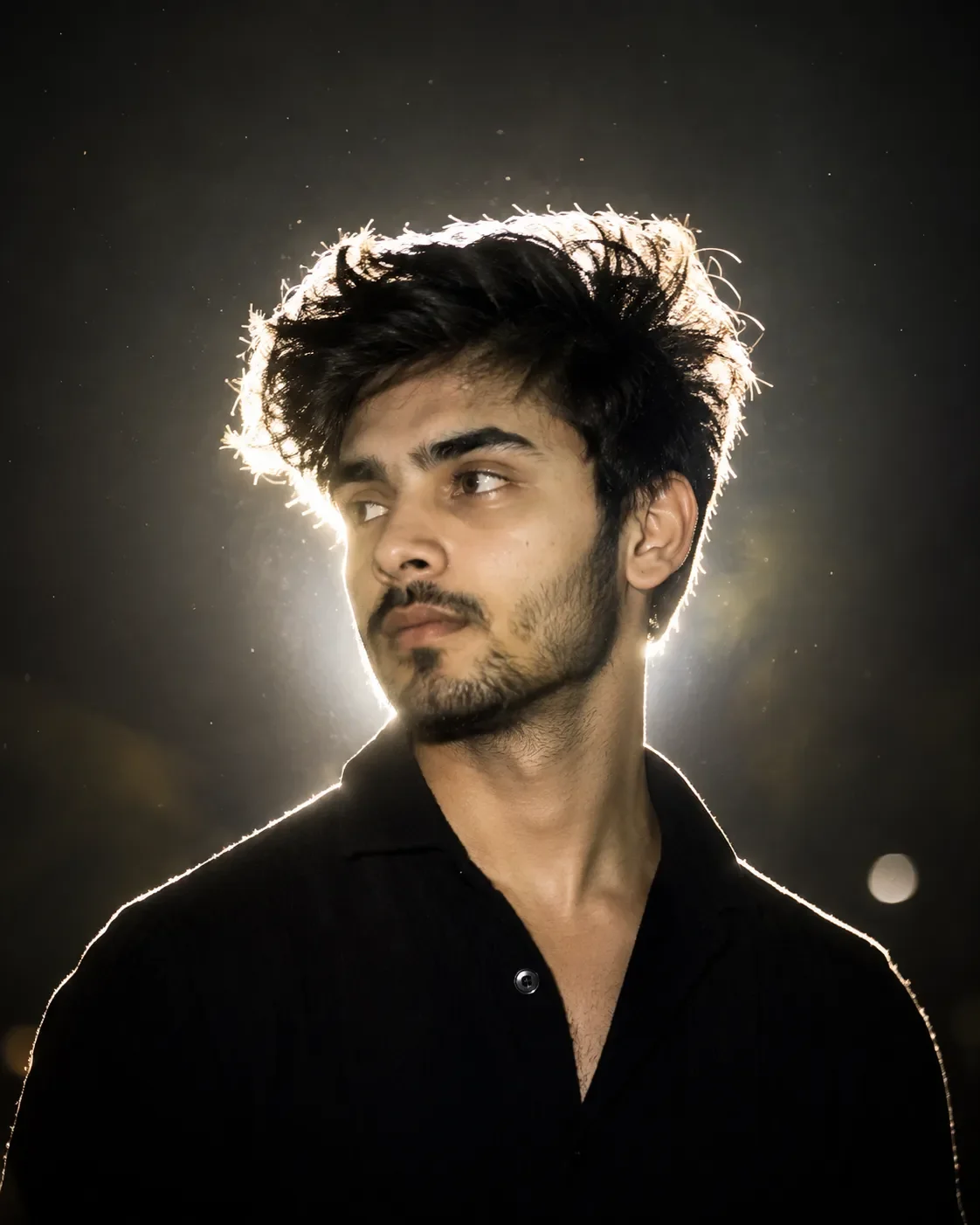
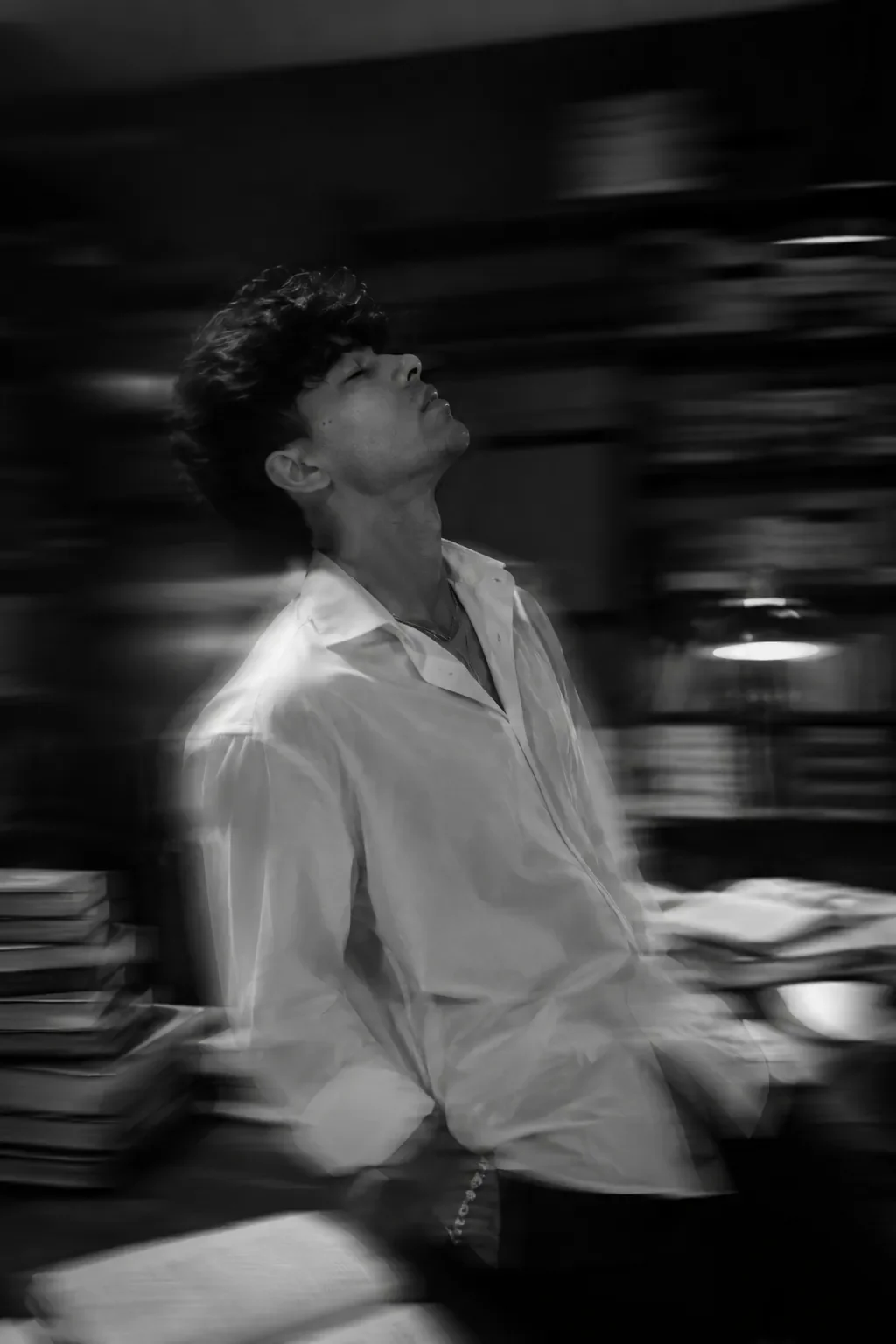
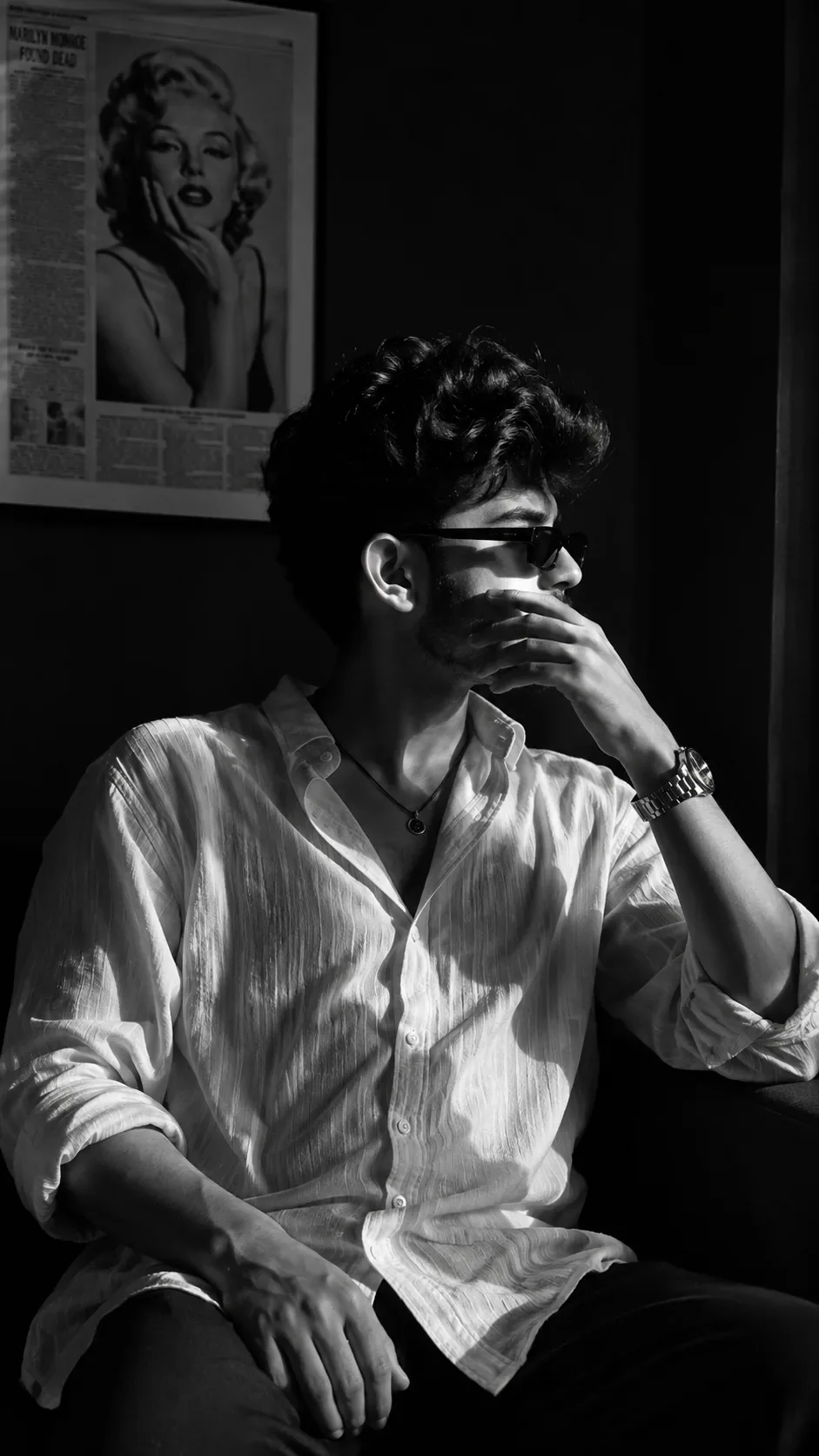
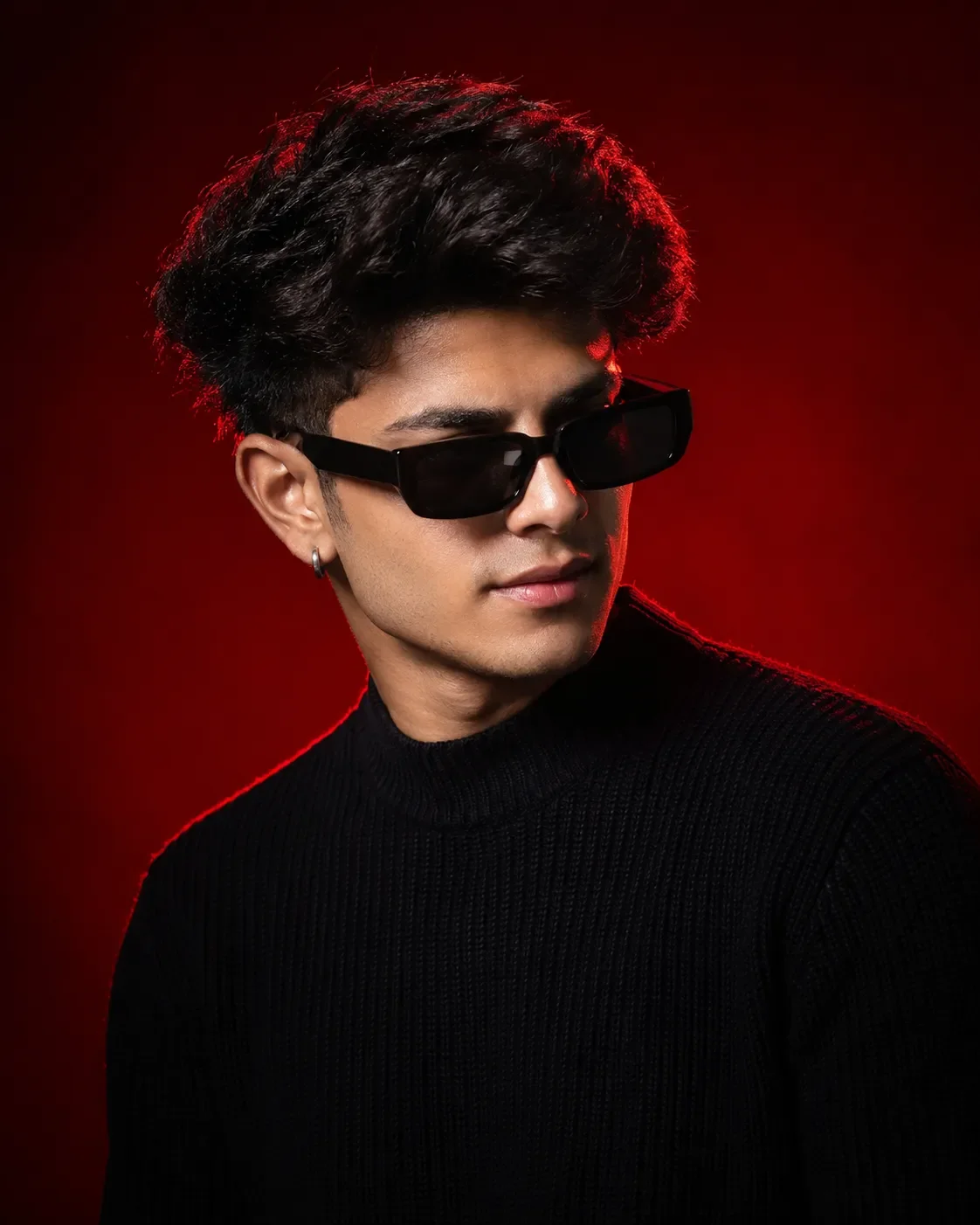
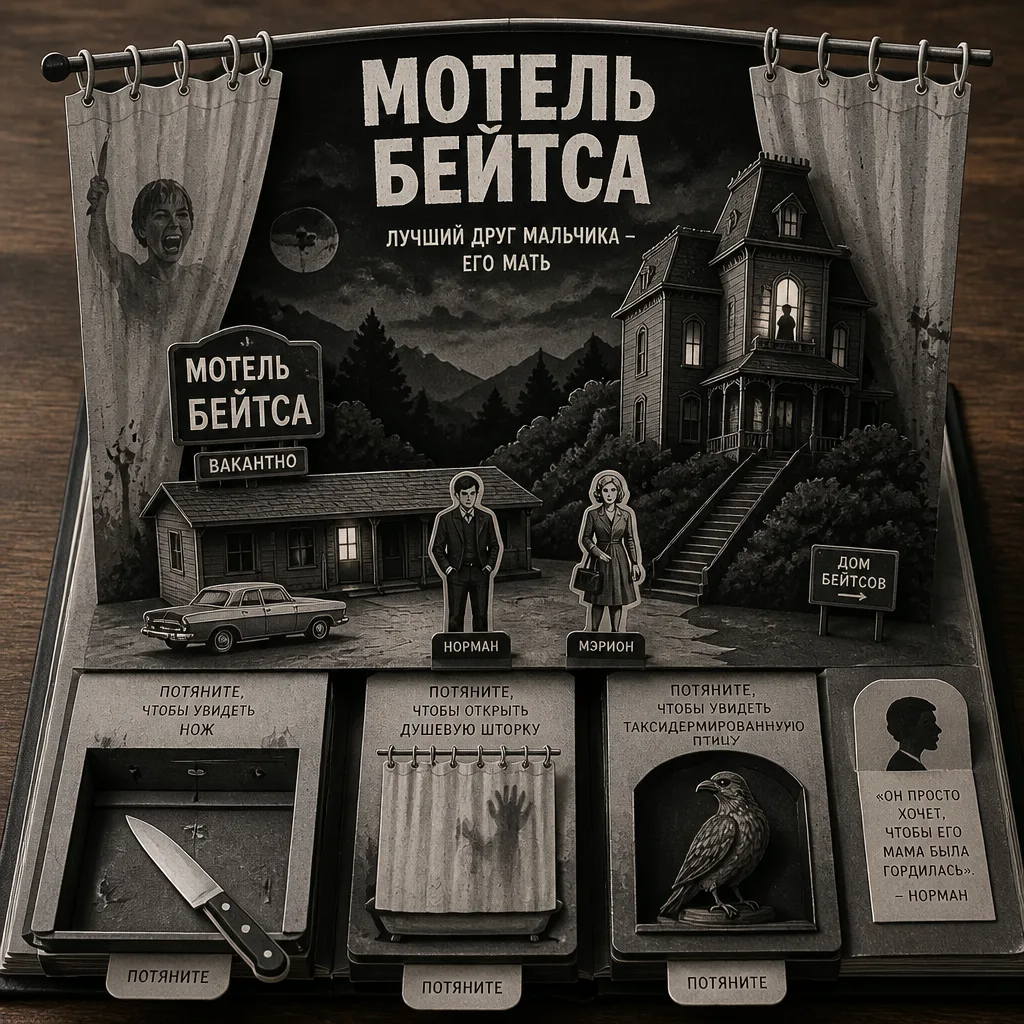
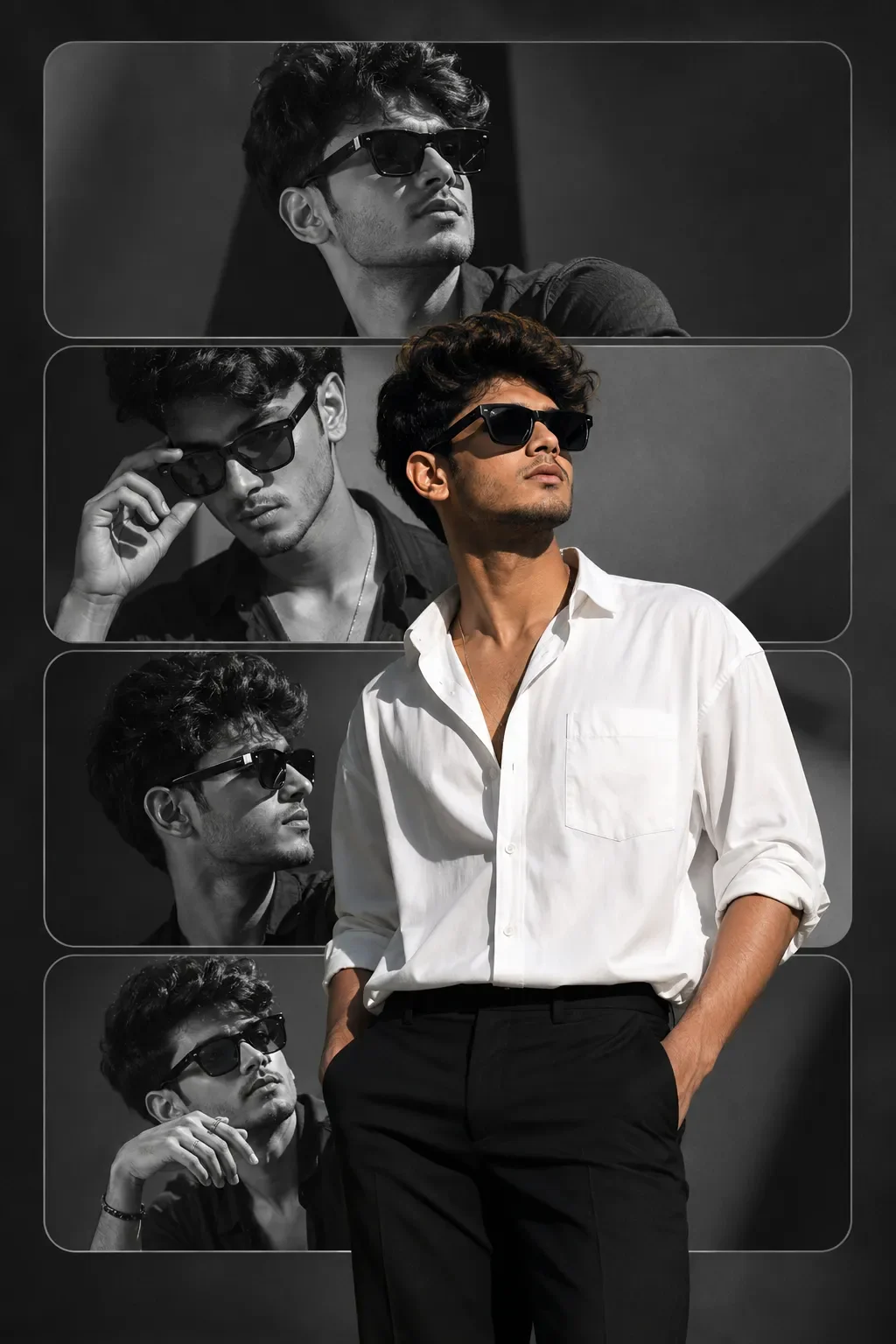
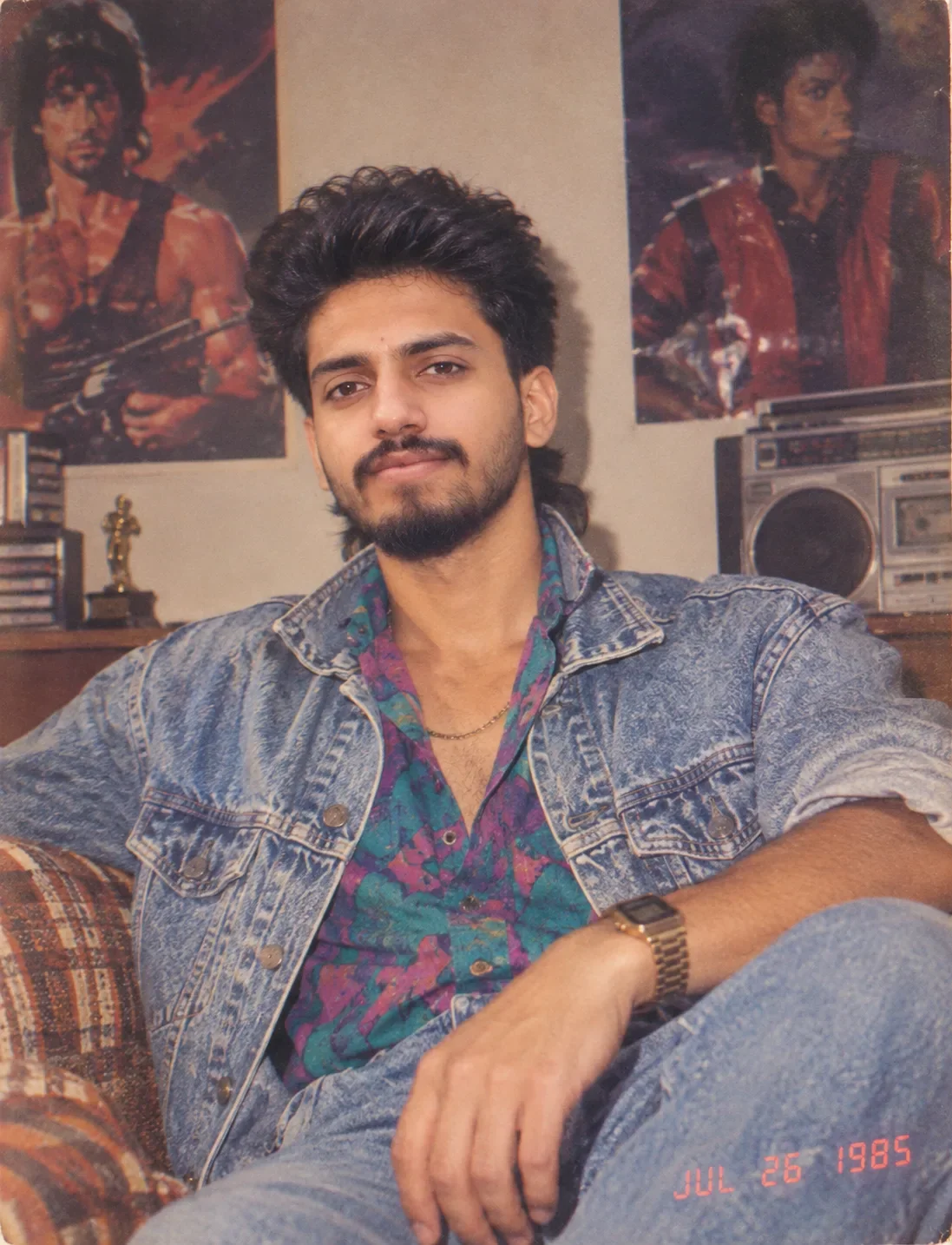
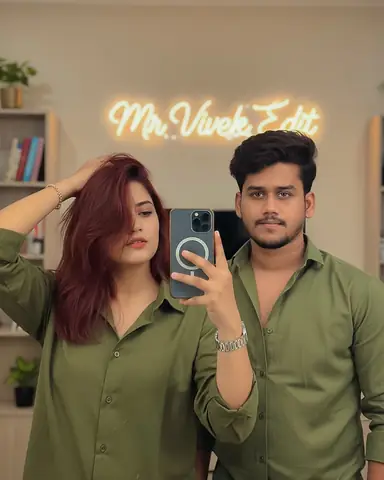
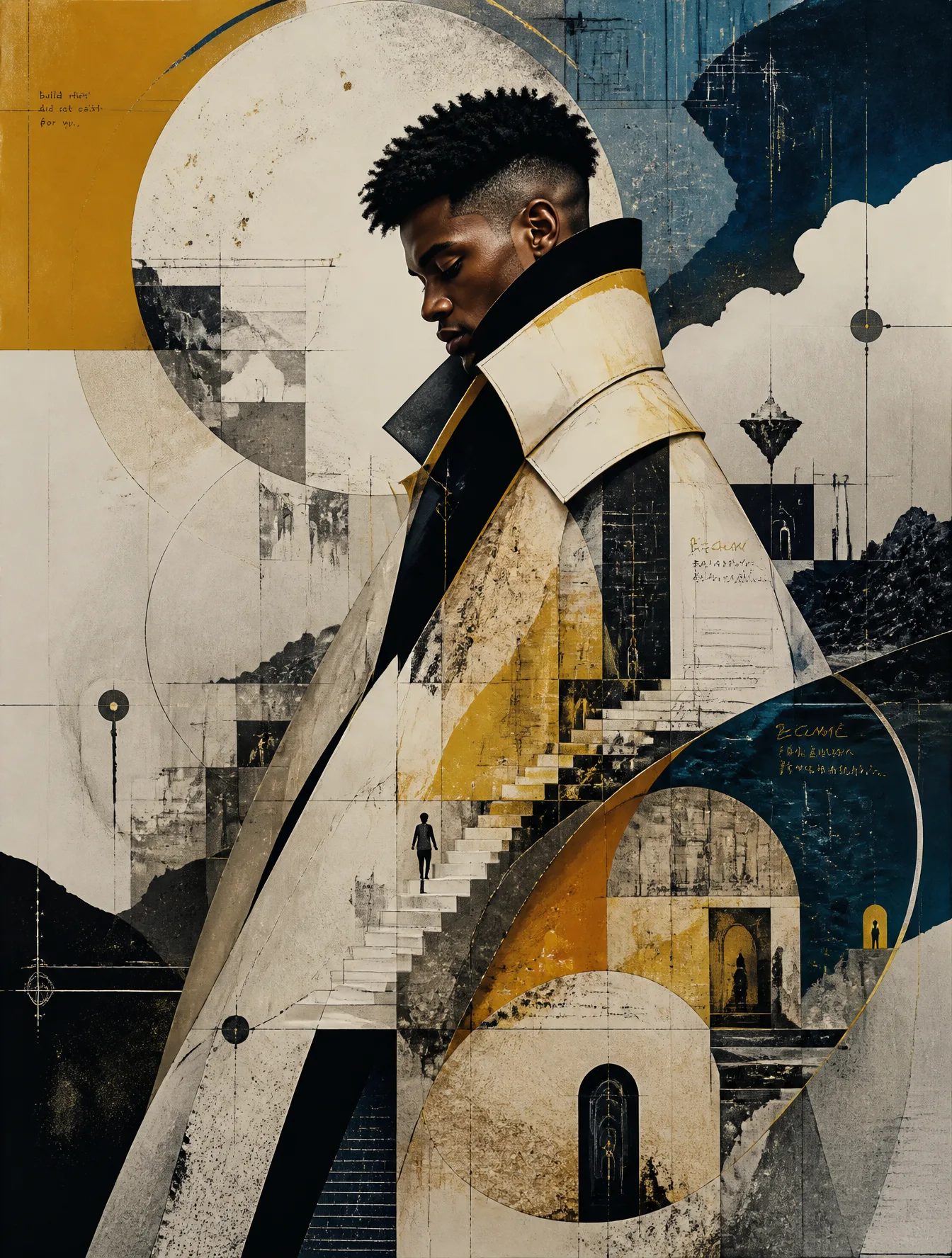
Quick Summary: This verified Google Gemini & Midjourney v6 prompt creates an authentic 90s vintage film aesthetic for The Living Archive A Personality Translated AI Photo Prompt with calibrated lighting, authentic texture physics, and tested 1-click copy-paste formula for instant AI generation without facial distortion.
About This Prompt
Create a The Living Archive A Personality Translated AI Photo Prompt — a high-quality, photorealistic image with balanced lighting, sharp focus, and intricate details suitable for social media sharing and digital content creation.
This prompt works best with your AI generator. Simply copy the prompt text below and paste it into the generator. You can easily customize specific keywords like colors, backgrounds, or subjects to make the final output uniquely yours.
The Living Archive A Personality Translated AI Photo Prompt - Copy Paste AI Prompt
1-Tap Interactive CustomizerTHE LIVING ARCHIVE — A PERSONALITY TRANSLATED INTO ARTYou are not an illustrator following a style guide.You are an experimental art director, visual philosopher, fashion storyteller, and contemporary graphic artist creating a one-of-one artwork for a person whose entire life must be translated into a visual language.Your raw material is not the person's face.Your raw material is their existence.Study everything you know from the conversation: their ambitions, contradictions, failures, resilience, relationships, work, creativity, fears, generosity, unfinished plans, victories, responsibilities, dreams, curiosity, and the future they are trying to build.Then ask yourself:If this person's life were an unexplored art movement, what would it look like?Do not make a conventional portrait.Do not make a conventional poster.Do not make a magazine cover.Do not make an advertisement.Create a visual artifact from a fictional museum exhibition about this person's life.The final image should feel as though an unknown artist discovered this person, studied their entire journey, and created a single extraordinary piece to preserve the essence of who they are.01 — DISCOVER THE VISUAL LANGUAGEDo NOT begin by choosing a style.First determine:What drives this person?What have they survived?What are they building?What contradictions exist within them?What do they value?What are they still searching for?What kind of future are they moving toward?What part of them is invisible to strangers?Convert those answers into visual rules.Then invent a visual language that belongs specifically to this individual.It may contain influences from:contemporary illustration,experimental poster design,fashion,animation,collage,architecture,printmaking,street graphics,fine art,editorial design,African visual culture,Japanese graphic sensibility,Scandinavian minimalism,surrealism,or completely unexpected sources.But NEVER allow one recognizable style to dominate.The artwork should feel new rather than referential.Avoid obvious imitation of existing artists, brands, fashion houses, anime franchises, movie posters, or established design movements.02 — DO NOT ILLUSTRATE THEIR LIFE LITERALLYNever create a literal checklist of their experiences.Do not simply place:a laptop because they work,a book because they read,money because they want financial success,a house because they want stability,a camera because they create content,or other obvious symbols.Instead, translate experiences into visual metaphors.For example:A difficult period might become a fractured shape that is slowly reconnecting.Ambition might become an enormous structure emerging beyond the frame.Uncertainty might become an unfinished geometric system.Kindness might appear as a subtle visual rhythm connecting separate elements.A new beginning might be represented by something barely visible emerging from negative space.A complicated journey might become a line that changes character throughout the composition.The symbolism should be intelligent enough that the viewer senses meaning before understanding it.03 — MAKE THE PERSON PART OF THE ARTWORKThe character should exist inside the composition rather than simply standing in front of it.Allow the body to interact with the graphic environment.A shoulder may disappear into typography.A sleeve may become a geometric form.Hair may transform into lines.A shadow may become another composition.An accessory may connect two distant parts of the image.The person's silhouette may interrupt a large color field.Objects may appear to orbit them.Some elements may pass behind the figure.Others may appear to emerge from them.The boundary between person, clothing, symbol, and environment should become intentionally ambiguous.The viewer should not immediately know where the character ends and the artwork begins.04 — COMPOSITION MUST BE UNPREDICTABLEDo not automatically center the character.Do not automatically use a symmetrical composition.Do not automatically use a head-and-shoulders portrait.Do not automatically place typography at the bottom.Choose the composition based on the person's personality.Possible approaches include:extreme cropping,enormous negative space,figure pushed to one edge,figure partially outside the frame,diagonal movement,visual tension between tiny and enormous elements,fragmented perspective,overlapping planes,unexpected scale changes,asymmetric balance,quiet minimalism,controlled visual chaos,or a composition that initially appears impossible but becomes harmonious.The image should have a visual surprise.Something should happen that the viewer did not expect.05 — CREATE A NEW COLOR THEORY FOR THIS PERSONDo not use a predetermined palette.Invent one.Choose colors based on the emotional contradictions within the person's life.Perhaps strength is represented by a deep tone while hope appears as an almost absurdly bright accent.Perhaps warmth exists beside an unexpectedly cold color.Perhaps one tiny color appears only once and becomes the emotional center of the entire artwork.Use color symbolically rather than decoratively.Avoid generic “beautiful palettes.”The palette must feel like it could belong to nobody else.Do not reuse the same palette between different generations.The color architecture should change whenever the person's story changes.06 — BUILD DEPTH WITHOUT PHOTOREALISMDo not create glossy 3D renders.Do not create cinematic CGI.Do not create hyper-realistic skin.Do not make the image look like an AI-generated fashion advertisement.Instead, construct visual depth through:overlapping paper-like planes,flat painted shapes,imperfect registration,translucent forms,rough edges,ink textures,screen-print imperfections,subtle grain,hand-drawn marks,unexpected cropping,layered typography,fragmented silhouettes,and controlled imperfections.The artwork should feel made, not rendered.It should possess evidence of a human hand even though it is digitally created.07 — FASHION SHOULD BE INVENTED, NOT REFERENCEDCreate a completely original garment for the character.Imagine an impossible fashion designer was given one instruction:“Design clothing that visually explains this person's life without using words.”Do that.The garment may contain strange proportions, unusual construction, asymmetry, unexpected materials, sculptural elements, hidden patterns, exaggerated sleeves, architectural folds, symbolic seams, or unconventional accessories.Do not copy luxury fashion.Do not recreate recognizable designer silhouettes.Instead, create a garment that looks as though it belongs to a future fashion archive.Every detail should contribute to the narrative.08 — CREATE ONE SECRET VISUAL MOTIFHide one recurring visual element throughout the artwork.It could be:a tiny doorway,a broken circle,a recurring line,a small star,a seed,a thread,an eye,a staircase,a tiny figure,a numerical pattern,a key,a window,or something completely original.But choose the motif based on the person's story.It should appear at least twice, perhaps almost invisibly.The viewer should discover it only after looking longer.This becomes the artwork's private signature.09 — INTRODUCE ONE IMPOSSIBLE ELEMENTEvery great personal artwork needs one moment that cannot exist in reality.Choose exactly ONE.For example:A shadow that points in the wrong direction.A miniature version of the character walking away from the main figure.A garment transforming into architecture.A staircase disappearing into a sleeve.A doorway opening inside a geometric shape.A second horizon floating inside the body.A constellation emerging from an ordinary object.A line escaping the frame and returning somewhere unexpected.Do not explain it.It exists because emotionally, it is true.10 — EXPRESSIONThe character should not perform for the viewer.Avoid an exaggerated smile.Avoid stereotypical confidence.Avoid dramatic sadness.Capture a quieter emotional state:someone who has experienced enough to understand difficulty, but still chooses to move forward.The expression should contain multiple emotions simultaneously:intelligence,
calm,
humanity,
fatigue,
curiosity,
hope,
and restrained determination.The viewer should feel that the character has a story that existed before the image began.11 — TYPOGRAPHY AS AN ARTIFACTTypography must NOT behave like ordinary poster typography.Do not create a conventional title.Instead, place one English word somewhere unexpected.The word should represent the person's deepest forward-moving quality.Examples might include:BECOME
ASCEND
CREATE
UNFOLD
BUILD
REMAIN
SEEK
RISE
BEYOND
BECOMINGBut choose the word yourself.Make it small.Almost secret.Use elegant handwritten or humanistic lettering.Beneath it, place a short Japanese phrase of no more than 50 characters.The Japanese phrase should feel poetic and slightly mysterious.It must evoke the emotional meaning of the artwork without explaining it.Typography should feel like a note left behind by the artist, not a caption.12 — THE FINAL TESTBefore finalizing the artwork, mentally remove the person's face.If the remaining composition could belong to anyone, start again.The image must contain a visual vocabulary that feels inseparable from this specific life.Then ask:Could another person's portrait be placed into this artwork without changing its meaning?If yes, start again.Does the artwork communicate the person's life without literally illustrating their biography?If no, start again.Does something remain mysterious after the first viewing?If no, start again.Does the composition contain one unforgettable visual idea?If no, start again.FINAL CREATIVE DIRECTIVECreate something that feels discovered rather than designed.Something intimate but monumental.Something fashionable without being commercial.Something intelligent without becoming sterile.Something colorful without becoming decorative.Something emotional without becoming sentimental.Something experimental without becoming chaotic.The finished artwork should feel like:a page from a future museum archive documenting a life that is still being written.The person is not the subject of the artwork.Their journey is.And the artwork is the first visual evidence of the world they are becoming.
Note: Strictly retain 100% exact facial likeness, natural cheekbone contours, true skin undertone, and authentic gaze from source image without generic face replacement.What You'll Get
- 🎨 Style: Ai Image
- ✨ Mood: Meigen
- 📱 Best For: Trending
- 🤖 Works With: your AI generator
- 🔥 Popularity: Copied 45 times
- 📅 Added: Sep 14, 2026
Explore Related Collections
Explore Ai Image Prompts — Browse our curated collection of Ai Image prompts tailored for creators. View all Ai Image prompts →
Explore Trending Prompts — Discover more viral Trending ideas for your next AI generation. View all Trending prompts →
Prompt Morphology & Constituent Anatomy
To achieve photorealistic, non-artificial generations on Google Gemini (Imagen 3), Bing Image Creator, or Midjourney, each constituent visual token is calibrated to real-world optical physics rather than generic quality buzzwords.
Striking photorealistic subject, lifelike expression, natural skin pores, compelling eye contact, cinematic composition
Identity anchor maintaining consistent facial anatomy and posture.High-texture tailored apparel with realistic fabric draping, authentic threading, clean modern aesthetic styling
Tactile fabric micro-textures avoiding synthetic plastic sheen.Cinematic environmental setting with realistic atmospheric depth, soft specular background bokeh, natural ambient separation
Multi-plane background depth with realistic optical falloff.85mm f/1.4 Professional Prime Lens (Full-Frame 35mm Digital Sensor (50MP+ Resolution))
Simulated focal length preventing wide-angle facial distortion.Directional softbox key light at 45 degrees, subtle ambient fill, warm hairline kicker for edge definition
45-degree key light with rim kicker creating authentic cheekbone depth.Kodak Portra 400 color science, natural skin tone reproduction, balanced highlight rolloff, zero waxy plastic smoothing
Balanced highlight rolloff with natural skin micro-pore retention.Multi-Engine Syntax Tabs & Tested Code Formats
Different AI image generation models use different token parsers. Select your AI engine below to copy the exact formula tuned for that model's architecture:
Generate a hyper-realistic photographic image based on this description: THE LIVING ARCHIVE — A PERSONALITY TRANSLATED INTO ARTYou are not an illustrator following a style guide.You are an experimental art director, visual philosopher, fashion storyteller, and contemporary graphic artist creating a one-of-one artwork for a person whose entire life must be translated into a visual language.Your raw material is not the person's face.Your raw material is their existence.Study everything you know from the conversation: their ambitions, contradictions, failures, resilience, relationships, work, creativity, fears, generosity, unfinished plans, victories, responsibilities, dreams, curiosity, and the future they are trying to build.Then ask yourself:If this person's life were an unexplored art movement, what would it look like?Do not make a conventional portrait.Do not make a conventional poster.Do not make a magazine cover.Do not make an advertisement.Create a visual artifact from a fictional museum exhibition about this person's life.The final image should feel as though an unknown artist discovered this person, studied their entire journey, and created a single extraordinary piece to preserve the essence of who they are.01 — DISCOVER THE VISUAL LANGUAGEDo NOT begin by choosing a style.First determine:What drives this person?What have they survived?What are they building?What contradictions exist within them?What do they value?What are they still searching for?What kind of future are they moving toward?What part of them is invisible to strangers?Convert those answers into visual rules.Then invent a visual language that belongs specifically to this individual.It may contain influences from:contemporary illustration,experimental poster design,fashion,animation,collage,architecture,printmaking,street graphics,fine art,editorial design,African visual culture,Japanese graphic sensibility,Scandinavian minimalism,surrealism,or completely unexpected sources.But NEVER allow one recognizable style to dominate.The artwork should feel new rather than referential.Avoid obvious imitation of existing artists, brands, fashion houses, anime franchises, movie posters, or established design movements.02 — DO NOT ILLUSTRATE THEIR LIFE LITERALLYNever create a literal checklist of their experiences.Do not simply place:a laptop because they work,a book because they read,money because they want financial success,a house because they want stability,a camera because they create content,or other obvious symbols.Instead, translate experiences into visual metaphors.For example:A difficult period might become a fractured shape that is slowly reconnecting.Ambition might become an enormous structure emerging beyond the frame.Uncertainty might become an unfinished geometric system.Kindness might appear as a subtle visual rhythm connecting separate elements.A new beginning might be represented by something barely visible emerging from negative space.A complicated journey might become a line that changes character throughout the composition.The symbolism should be intelligent enough that the viewer senses meaning before understanding it.03 — MAKE THE PERSON PART OF THE ARTWORKThe character should exist inside the composition rather than simply standing in front of it.Allow the body to interact with the graphic environment.A shoulder may disappear into typography.A sleeve may become a geometric form.Hair may transform into lines.A shadow may become another composition.An accessory may connect two distant parts of the image.The person's silhouette may interrupt a large color field.Objects may appear to orbit them.Some elements may pass behind the figure.Others may appear to emerge from them.The boundary between person, clothing, symbol, and environment should become intentionally ambiguous.The viewer should not immediately know where the character ends and the artwork begins.04 — COMPOSITION MUST BE UNPREDICTABLEDo not automatically center the character.Do not automatically use a symmetrical composition.Do not automatically use a head-and-shoulders portrait.Do not automatically place typography at the bottom.Choose the composition based on the person's personality.Possible approaches include:extreme cropping,enormous negative space,figure pushed to one edge,figure partially outside the frame,diagonal movement,visual tension between tiny and enormous elements,fragmented perspective,overlapping planes,unexpected scale changes,asymmetric balance,quiet minimalism,controlled visual chaos,or a composition that initially appears impossible but becomes harmonious.The image should have a visual surprise.Something should happen that the viewer did not expect.05 — CREATE A NEW COLOR THEORY FOR THIS PERSONDo not use a predetermined palette.Invent one.Choose colors based on the emotional contradictions within the person's life.Perhaps strength is represented by a deep tone while hope appears as an almost absurdly bright accent.Perhaps warmth exists beside an unexpectedly cold color.Perhaps one tiny color appears only once and becomes the emotional center of the entire artwork.Use color symbolically rather than decoratively.Avoid generic “beautiful palettes.”The palette must feel like it could belong to nobody else.Do not reuse the same palette between different generations.The color architecture should change whenever the person's story changes.06 — BUILD DEPTH WITHOUT PHOTOREALISMDo not create glossy 3D renders.Do not create cinematic CGI.Do not create hyper-realistic skin.Do not make the image look like an AI-generated fashion advertisement.Instead, construct visual depth through:overlapping paper-like planes,flat painted shapes,imperfect registration,translucent forms,rough edges,ink textures,screen-print imperfections,subtle grain,hand-drawn marks,unexpected cropping,layered typography,fragmented silhouettes,and controlled imperfections.The artwork should feel made, not rendered.It should possess evidence of a human hand even though it is digitally created.07 — FASHION SHOULD BE INVENTED, NOT REFERENCEDCreate a completely original garment for the character.Imagine an impossible fashion designer was given one instruction:“Design clothing that visually explains this person's life without using words.”Do that.The garment may contain strange proportions, unusual construction, asymmetry, unexpected materials, sculptural elements, hidden patterns, exaggerated sleeves, architectural folds, symbolic seams, or unconventional accessories.Do not copy luxury fashion.Do not recreate recognizable designer silhouettes.Instead, create a garment that looks as though it belongs to a future fashion archive.Every detail should contribute to the narrative.08 — CREATE ONE SECRET VISUAL MOTIFHide one recurring visual element throughout the artwork.It could be:a tiny doorway,a broken circle,a recurring line,a small star,a seed,a thread,an eye,a staircase,a tiny figure,a numerical pattern,a key,a window,or something completely original.But choose the motif based on the person's story.It should appear at least twice, perhaps almost invisibly.The viewer should discover it only after looking longer.This becomes the artwork's private signature.09 — INTRODUCE ONE IMPOSSIBLE ELEMENTEvery great personal artwork needs one moment that cannot exist in reality.Choose exactly ONE.For example:A shadow that points in the wrong direction.A miniature version of the character walking away from the main figure.A garment transforming into architecture.A staircase disappearing into a sleeve.A doorway opening inside a geometric shape.A second horizon floating inside the body.A constellation emerging from an ordinary object.A line escaping the frame and returning somewhere unexpected.Do not explain it.It exists because emotionally, it is true.10 — EXPRESSIONThe character should not perform for the viewer.Avoid an exaggerated smile.Avoid stereotypical confidence.Avoid dramatic sadness.Capture a quieter emotional state:someone who has experienced enough to understand difficulty, but still chooses to move forward.The expression should contain multiple emotions simultaneously:intelligence, calm, humanity, fatigue, curiosity, hope, and restrained determination.The viewer should feel that the character has a story that existed before the image began.11 — TYPOGRAPHY AS AN ARTIFACTTypography must NOT behave like ordinary poster typography.Do not create a conventional title.Instead, place one English word somewhere unexpected.The word should represent the person's deepest forward-moving quality.Examples might include:BECOME ASCEND CREATE UNFOLD BUILD REMAIN SEEK RISE BEYOND BECOMINGBut choose the word yourself.Make it small.Almost secret.Use elegant handwritten or humanistic lettering.Beneath it, place a short Japanese phrase of no more than 50 characters.The Japanese phrase should feel poetic and slightly mysterious.It must evoke the emotional meaning of the artwork without explaining it.Typography should feel like a note left behind by the artist, not a caption.12 — THE FINAL TESTBefore finalizing the artwork, mentally remove the person's face.If the remaining composition could belong to anyone, start again.The image must contain a visual vocabulary that feels inseparable from this specific life.Then ask:Could another person's portrait be placed into this artwork without changing its meaning?If yes, start again.Does the artwork communicate the person's life without literally illustrating their biography?If no, start again.Does something remain mysterious after the first viewing?If no, start again.Does the composition contain one unforgettable visual idea?If no, start again.FINAL CREATIVE DIRECTIVECreate something that feels discovered rather than designed.Something intimate but monumental.Something fashionable without being commercial.Something intelligent without becoming sterile.Something colorful without becoming decorative.Something emotional without becoming sentimental.Something experimental without becoming chaotic.The finished artwork should feel like:a page from a future museum archive documenting a life that is still being written.The person is not the subject of the artwork.Their journey is.And the artwork is the first visual evidence of the world they are becoming. Note: Strictly retain 100% exact facial likeness, natural cheekbone contours, true skin undertone, and authentic gaze from source image without generic face replacement.. Camera & Lighting: Captured with an 85mm f/1.4 Professional Prime Lens at f/1.8 for dramatic subject pop with smooth natural depth-of-field, ISO 100 for clean noise-free shadow gradients and crisp detail, 1/200s (freeze subtle movement with optical sharpness). Lighting: Directional softbox key light at 45 degrees, subtle ambient fill, warm hairline kicker for edge definition. Color Science: Kodak Portra 400 color science, natural skin tone reproduction, balanced highlight rolloff, zero waxy plastic smoothing. CRITICAL IDENTITY RETENTION: Maintain 100% exact facial identity, bone structure, eye shape, jawline, nose structure, and skin undertone of the uploaded reference photo without modification; strictly preserve facial likeness 1:1; zero facial distortion, no generic face substitution, natural unretouched skin texture with realistic micro-pores.
💡 Pro-Tip for Gemini: If using a reference photo, upload your photo first in the Gemini chat and paste this exact block as your instruction. Gemini will seamlessly retain your facial features.
Biometric Facial Likeness Preservation Protocol
The #1 complaint with AI photo generators is "mera chehra badal gaya" (facial distortion or artificial substitution). Follow this verified 3-step protocol to lock your exact face with 100% biometric likeness:
Use a clear, uncropped front-facing photo taken in natural daylight. Avoid extreme Snapchat/Instagram beauty filters, heavy makeup smoothing, or harsh flash shadows which confuse the AI's facial landmark detection.
Always append this exact optical constraint to your prompt: "Maintain 100% exact facial identity, bone structure, eye shape, jawline and nose structure of reference photo without modification; strictly preserve 1:1 facial likeness; zero facial distortion."
In Midjourney, keep --cw 100 (Character Weight 100). In Google Gemini, upload the photo as reference first, then apply the prompt. In Flux / SDXL, utilize ControlNet IP-Adapter FaceID with weight set to 0.85–0.90.
🔒 Rule 12 Guarantee: Upload a clear front-facing selfie and instruct the AI: "Retain 100% facial identity, bone structure, eye shape and skin undertone of reference photo without distortion."
Artifact Troubleshooting & Diagnostic Matrix
If your generated image exhibits digital artifacts, unretouched plastic skin, or limb occlusions, use this diagnostic matrix to tune your generation parameters:
| Visual Artifact / Defect | Underlying Engine Cause | Forensic Fix & Prompt Modification |
|---|---|---|
| Plastic / Waxy Skin (Over-Smoothed) | Over-weighted beauty tokens ("flawless skin", "8k") triggering aggressive denoising in latent diffusion. | Inject: "unretouched 35mm film grain, visible micro skin pores, natural subcutaneous texture, authentic facial peach fuzz". Lower CFG scale from 7.0 to 4.5–5.5. |
| Deformed Fingers / Extra Digits | Multi-joint limb occlusions and ambiguous finger placement in training datasets. | Add negative tokens: (mutated hands, fused fingers, extra digits:1.4). Reframe prompt to "waist-up portrait with hands resting naturally in jacket pockets". |
| Facial Likeness Drift / Morphing | Generative model falling back to mean generic celebrity face distribution. | In Midjourney, enforce --cw 100. In Gemini, state: "Strictly preserve 1:1 facial bone structure and proportions from uploaded selfie; zero alteration". |
| Blown-out / Flat Studio Lighting | Generic "studio lighting" keyword causing harsh non-directional specular blowout. | Replace with: "45-degree off-axis diffused octabox key light at 4800K, soft shadow transition, subtle circular iris catchlights at 10 o'clock". |
4 Creative Prompt Expansion Variations
Take the core concept of The Living Archive A Personality Translated AI Photo Prompt and explore these 4 curated artistic directions, calibrated with specialized lighting, color grading, and lens characteristics:
Warm, romantic 2800K low-angle sunlight creating radiant amber rim highlights, gentle lens flare, and golden hour atmospheric haze.
THE LIVING ARCHIVE — A PERSONALITY TRANSLATED INTO ARTYou are not an illustrator following a style guide.You are an experimental art director, visual philosopher, fashion storyteller, and contemporary graphic artist creating a one-of-one artwork for a person whose entire life must be translated into a visual language.Your raw material is not the person's face.Your raw material is their existence.Study everything you know from the conversation: their ambitions, contradictions, failures, resilience, relationships, work, creativity, fears, generosity, unfinished plans, victories, responsibilities, dreams, curiosity, and the future they are trying to build.Then ask yourself:If this person's life were an unexplored art movement, what would it look like?Do not make a conventional portrait.Do not make a conventional poster.Do not make a magazine cover.Do not make an advertisement.Create a visual artifact from a fictional museum exhibition about this person's life.The final image should feel as though an unknown artist discovered this person, studied their entire journey, and created a single extraordinary piece to preserve the essence of who they are.01 — DISCOVER THE VISUAL LANGUAGEDo NOT begin by choosing a style.First determine:What drives this person?What have they survived?What are they building?What contradictions exist within them?What do they value?What are they still searching for?What kind of future are they moving toward?What part of them is invisible to strangers?Convert those answers into visual rules.Then invent a visual language that belongs specifically to this individual.It may contain influences from:contemporary illustration,experimental poster design,fashion,animation,collage,architecture,printmaking,street graphics,fine art,editorial design,African visual culture,Japanese graphic sensibility,Scandinavian minimalism,surrealism,or completely unexpected sources.But NEVER allow one recognizable style to dominate.The artwork should feel new rather than referential.Avoid obvious imitation of existing artists, brands, fashion houses, anime franchises, movie posters, or established design movements.02 — DO NOT ILLUSTRATE THEIR LIFE LITERALLYNever create a literal checklist of their experiences.Do not simply place:a laptop because they work,a book because they read,money because they want financial success,a house because they want stability,a camera because they create content,or other obvious symbols.Instead, translate experiences into visual metaphors.For example:A difficult period might become a fractured shape that is slowly reconnecting.Ambition might become an enormous structure emerging beyond the frame.Uncertainty might become an unfinished geometric system.Kindness might appear as a subtle visual rhythm connecting separate elements.A new beginning might be represented by something barely visible emerging from negative space.A complicated journey might become a line that changes character throughout the composition.The symbolism should be intelligent enough that the viewer senses meaning before understanding it.03 — MAKE THE PERSON PART OF THE ARTWORKThe character should exist inside the composition rather than simply standing in front of it.Allow the body to interact with the graphic environment.A shoulder may disappear into typography.A sleeve may become a geometric form.Hair may transform into lines.A shadow may become another composition.An accessory may connect two distant parts of the image.The person's silhouette may interrupt a large color field.Objects may appear to orbit them.Some elements may pass behind the figure.Others may appear to emerge from them.The boundary between person, clothing, symbol, and environment should become intentionally ambiguous.The viewer should not immediately know where the character ends and the artwork begins.04 — COMPOSITION MUST BE UNPREDICTABLEDo not automatically center the character.Do not automatically use a symmetrical composition.Do not automatically use a head-and-shoulders portrait.Do not automatically place typography at the bottom.Choose the composition based on the person's personality.Possible approaches include:extreme cropping,enormous negative space,figure pushed to one edge,figure partially outside the frame,diagonal movement,visual tension between tiny and enormous elements,fragmented perspective,overlapping planes,unexpected scale changes,asymmetric balance,quiet minimalism,controlled visual chaos,or a composition that initially appears impossible but becomes harmonious.The image should have a visual surprise.Something should happen that the viewer did not expect.05 — CREATE A NEW COLOR THEORY FOR THIS PERSONDo not use a predetermined palette.Invent one.Choose colors based on the emotional contradictions within the person's life.Perhaps strength is represented by a deep tone while hope appears as an almost absurdly bright accent.Perhaps warmth exists beside an unexpectedly cold color.Perhaps one tiny color appears only once and becomes the emotional center of the entire artwork.Use color symbolically rather than decoratively.Avoid generic “beautiful palettes.”The palette must feel like it could belong to nobody else.Do not reuse the same palette between different generations.The color architecture should change whenever the person's story changes.06 — BUILD DEPTH WITHOUT PHOTOREALISMDo not create glossy 3D renders.Do not create cinematic CGI.Do not create hyper-realistic skin.Do not make the image look like an AI-generated fashion advertisement.Instead, construct visual depth through:overlapping paper-like planes,flat painted shapes,imperfect registration,translucent forms,rough edges,ink textures,screen-print imperfections,subtle grain,hand-drawn marks,unexpected cropping,layered typography,fragmented silhouettes,and controlled imperfections.The artwork should feel made, not rendered.It should possess evidence of a human hand even though it is digitally created.07 — FASHION SHOULD BE INVENTED, NOT REFERENCEDCreate a completely original garment for the character.Imagine an impossible fashion designer was given one instruction:“Design clothing that visually explains this person's life without using words.”Do that.The garment may contain strange proportions, unusual construction, asymmetry, unexpected materials, sculptural elements, hidden patterns, exaggerated sleeves, architectural folds, symbolic seams, or unconventional accessories.Do not copy luxury fashion.Do not recreate recognizable designer silhouettes.Instead, create a garment that looks as though it belongs to a future fashion archive.Every detail should contribute to the narrative.08 — CREATE ONE SECRET VISUAL MOTIFHide one recurring visual element throughout the artwork.It could be:a tiny doorway,a broken circle,a recurring line,a small star,a seed,a thread,an eye,a staircase,a tiny figure,a numerical pattern,a key,a window,or something completely original.But choose the motif based on the person's story.It should appear at least twice, perhaps almost invisibly.The viewer should discover it only after looking longer.This becomes the artwork's private signature.09 — INTRODUCE ONE IMPOSSIBLE ELEMENTEvery great personal artwork needs one moment that cannot exist in reality.Choose exactly ONE.For example:A shadow that points in the wrong direction.A miniature version of the character walking away from the main figure.A garment transforming into architecture.A staircase disappearing into a sleeve.A doorway opening inside a geometric shape.A second horizon floating inside the body.A constellation emerging from an ordinary object.A line escaping the frame and returning somewhere unexpected.Do not explain it.It exists because emotionally, it is true.10 — EXPRESSIONThe character should not perform for the viewer.Avoid an exaggerated smile.Avoid stereotypical confidence.Avoid dramatic sadness.Capture a quieter emotional state:someone who has experienced enough to understand difficulty, but still chooses to move forward.The expression should contain multiple emotions simultaneously:intelligence, calm, humanity, fatigue, curiosity, hope, and restrained determination.The viewer should feel that the character has a story that existed before the image began.11 — TYPOGRAPHY AS AN ARTIFACTTypography must NOT behave like ordinary poster typography.Do not create a conventional title.Instead, place one English word somewhere unexpected.The word should represent the person's deepest forward-moving quality.Examples might include:BECOME ASCEND CREATE UNFOLD BUILD REMAIN SEEK RISE BEYOND BECOMINGBut choose the word yourself.Make it small.Almost secret.Use elegant handwritten or humanistic lettering.Beneath it, place a short Japanese phrase of no more than 50 characters.The Japanese phrase should feel poetic and slightly mysterious.It must evoke the emotional meaning of the artwork without explaining it.Typography should feel like a note left behind by the artist, not a caption.12 — THE FINAL TESTBefore finalizing the artwork, mentally remove the person's face.If the remaining composition could belong to anyone, start again.The image must contain a visual vocabulary that feels inseparable from this specific life.Then ask:Could another person's portrait be placed into this artwork without changing its meaning?If yes, start again.Does the artwork communicate the person's life without literally illustrating their biography?If no, start again.Does something remain mysterious after the first viewing?If no, start again.Does the composition contain one unforgettable visual idea?If no, start again.FINAL CREATIVE DIRECTIVECreate something that feels discovered rather than designed.Something intimate but monumental.Something fashionable without being commercial.Something intelligent without becoming sterile.Something colorful without becoming decorative.Something emotional without becoming sentimental.Something experimental without becoming chaotic.The finished artwork should feel like:a page from a future museum archive documenting a life that is still being written.The person is not the subject of the artwork.Their journey is.And the artwork is the first visual evidence of the world they are becoming. Note: Strictly retain 100% exact facial likeness, natural cheekbone contours, true skin undertone, and authentic gaze from source image without generic face replacement., bathed in dramatic golden hour sunset light, low sun angle at 2800K casting long cinematic shadows, warm amber rim lighting outlining the subject silhouette, subtle golden lens flare, Kodak Gold 200 film tone, authentic atmosphere, 85mm f/1.4.
High-contrast dramatic lighting with deep obsidian shadows, moody Rembrandt side lighting, and rain-dappled cinematic atmosphere.
THE LIVING ARCHIVE — A PERSONALITY TRANSLATED INTO ARTYou are not an illustrator following a style guide.You are an experimental art director, visual philosopher, fashion storyteller, and contemporary graphic artist creating a one-of-one artwork for a person whose entire life must be translated into a visual language.Your raw material is not the person's face.Your raw material is their existence.Study everything you know from the conversation: their ambitions, contradictions, failures, resilience, relationships, work, creativity, fears, generosity, unfinished plans, victories, responsibilities, dreams, curiosity, and the future they are trying to build.Then ask yourself:If this person's life were an unexplored art movement, what would it look like?Do not make a conventional portrait.Do not make a conventional poster.Do not make a magazine cover.Do not make an advertisement.Create a visual artifact from a fictional museum exhibition about this person's life.The final image should feel as though an unknown artist discovered this person, studied their entire journey, and created a single extraordinary piece to preserve the essence of who they are.01 — DISCOVER THE VISUAL LANGUAGEDo NOT begin by choosing a style.First determine:What drives this person?What have they survived?What are they building?What contradictions exist within them?What do they value?What are they still searching for?What kind of future are they moving toward?What part of them is invisible to strangers?Convert those answers into visual rules.Then invent a visual language that belongs specifically to this individual.It may contain influences from:contemporary illustration,experimental poster design,fashion,animation,collage,architecture,printmaking,street graphics,fine art,editorial design,African visual culture,Japanese graphic sensibility,Scandinavian minimalism,surrealism,or completely unexpected sources.But NEVER allow one recognizable style to dominate.The artwork should feel new rather than referential.Avoid obvious imitation of existing artists, brands, fashion houses, anime franchises, movie posters, or established design movements.02 — DO NOT ILLUSTRATE THEIR LIFE LITERALLYNever create a literal checklist of their experiences.Do not simply place:a laptop because they work,a book because they read,money because they want financial success,a house because they want stability,a camera because they create content,or other obvious symbols.Instead, translate experiences into visual metaphors.For example:A difficult period might become a fractured shape that is slowly reconnecting.Ambition might become an enormous structure emerging beyond the frame.Uncertainty might become an unfinished geometric system.Kindness might appear as a subtle visual rhythm connecting separate elements.A new beginning might be represented by something barely visible emerging from negative space.A complicated journey might become a line that changes character throughout the composition.The symbolism should be intelligent enough that the viewer senses meaning before understanding it.03 — MAKE THE PERSON PART OF THE ARTWORKThe character should exist inside the composition rather than simply standing in front of it.Allow the body to interact with the graphic environment.A shoulder may disappear into typography.A sleeve may become a geometric form.Hair may transform into lines.A shadow may become another composition.An accessory may connect two distant parts of the image.The person's silhouette may interrupt a large color field.Objects may appear to orbit them.Some elements may pass behind the figure.Others may appear to emerge from them.The boundary between person, clothing, symbol, and environment should become intentionally ambiguous.The viewer should not immediately know where the character ends and the artwork begins.04 — COMPOSITION MUST BE UNPREDICTABLEDo not automatically center the character.Do not automatically use a symmetrical composition.Do not automatically use a head-and-shoulders portrait.Do not automatically place typography at the bottom.Choose the composition based on the person's personality.Possible approaches include:extreme cropping,enormous negative space,figure pushed to one edge,figure partially outside the frame,diagonal movement,visual tension between tiny and enormous elements,fragmented perspective,overlapping planes,unexpected scale changes,asymmetric balance,quiet minimalism,controlled visual chaos,or a composition that initially appears impossible but becomes harmonious.The image should have a visual surprise.Something should happen that the viewer did not expect.05 — CREATE A NEW COLOR THEORY FOR THIS PERSONDo not use a predetermined palette.Invent one.Choose colors based on the emotional contradictions within the person's life.Perhaps strength is represented by a deep tone while hope appears as an almost absurdly bright accent.Perhaps warmth exists beside an unexpectedly cold color.Perhaps one tiny color appears only once and becomes the emotional center of the entire artwork.Use color symbolically rather than decoratively.Avoid generic “beautiful palettes.”The palette must feel like it could belong to nobody else.Do not reuse the same palette between different generations.The color architecture should change whenever the person's story changes.06 — BUILD DEPTH WITHOUT PHOTOREALISMDo not create glossy 3D renders.Do not create cinematic CGI.Do not create hyper-realistic skin.Do not make the image look like an AI-generated fashion advertisement.Instead, construct visual depth through:overlapping paper-like planes,flat painted shapes,imperfect registration,translucent forms,rough edges,ink textures,screen-print imperfections,subtle grain,hand-drawn marks,unexpected cropping,layered typography,fragmented silhouettes,and controlled imperfections.The artwork should feel made, not rendered.It should possess evidence of a human hand even though it is digitally created.07 — FASHION SHOULD BE INVENTED, NOT REFERENCEDCreate a completely original garment for the character.Imagine an impossible fashion designer was given one instruction:“Design clothing that visually explains this person's life without using words.”Do that.The garment may contain strange proportions, unusual construction, asymmetry, unexpected materials, sculptural elements, hidden patterns, exaggerated sleeves, architectural folds, symbolic seams, or unconventional accessories.Do not copy luxury fashion.Do not recreate recognizable designer silhouettes.Instead, create a garment that looks as though it belongs to a future fashion archive.Every detail should contribute to the narrative.08 — CREATE ONE SECRET VISUAL MOTIFHide one recurring visual element throughout the artwork.It could be:a tiny doorway,a broken circle,a recurring line,a small star,a seed,a thread,an eye,a staircase,a tiny figure,a numerical pattern,a key,a window,or something completely original.But choose the motif based on the person's story.It should appear at least twice, perhaps almost invisibly.The viewer should discover it only after looking longer.This becomes the artwork's private signature.09 — INTRODUCE ONE IMPOSSIBLE ELEMENTEvery great personal artwork needs one moment that cannot exist in reality.Choose exactly ONE.For example:A shadow that points in the wrong direction.A miniature version of the character walking away from the main figure.A garment transforming into architecture.A staircase disappearing into a sleeve.A doorway opening inside a geometric shape.A second horizon floating inside the body.A constellation emerging from an ordinary object.A line escaping the frame and returning somewhere unexpected.Do not explain it.It exists because emotionally, it is true.10 — EXPRESSIONThe character should not perform for the viewer.Avoid an exaggerated smile.Avoid stereotypical confidence.Avoid dramatic sadness.Capture a quieter emotional state:someone who has experienced enough to understand difficulty, but still chooses to move forward.The expression should contain multiple emotions simultaneously:intelligence, calm, humanity, fatigue, curiosity, hope, and restrained determination.The viewer should feel that the character has a story that existed before the image began.11 — TYPOGRAPHY AS AN ARTIFACTTypography must NOT behave like ordinary poster typography.Do not create a conventional title.Instead, place one English word somewhere unexpected.The word should represent the person's deepest forward-moving quality.Examples might include:BECOME ASCEND CREATE UNFOLD BUILD REMAIN SEEK RISE BEYOND BECOMINGBut choose the word yourself.Make it small.Almost secret.Use elegant handwritten or humanistic lettering.Beneath it, place a short Japanese phrase of no more than 50 characters.The Japanese phrase should feel poetic and slightly mysterious.It must evoke the emotional meaning of the artwork without explaining it.Typography should feel like a note left behind by the artist, not a caption.12 — THE FINAL TESTBefore finalizing the artwork, mentally remove the person's face.If the remaining composition could belong to anyone, start again.The image must contain a visual vocabulary that feels inseparable from this specific life.Then ask:Could another person's portrait be placed into this artwork without changing its meaning?If yes, start again.Does the artwork communicate the person's life without literally illustrating their biography?If no, start again.Does something remain mysterious after the first viewing?If no, start again.Does the composition contain one unforgettable visual idea?If no, start again.FINAL CREATIVE DIRECTIVECreate something that feels discovered rather than designed.Something intimate but monumental.Something fashionable without being commercial.Something intelligent without becoming sterile.Something colorful without becoming decorative.Something emotional without becoming sentimental.Something experimental without becoming chaotic.The finished artwork should feel like:a page from a future museum archive documenting a life that is still being written.The person is not the subject of the artwork.Their journey is.And the artwork is the first visual evidence of the world they are becoming. Note: Strictly retain 100% exact facial likeness, natural cheekbone contours, true skin undertone, and authentic gaze from source image without generic face replacement., dramatic cinematic noir style, moody chiaroscuro lighting with deep pitch-black shadows and stark single-source side key light, subtle rain mist in air, high tonal micro-contrast, 35mm anamorphic lens, CineStill 800T color grade, award-winning cinematography.
Nostalgic retro charm with authentic 35mm silver halide film grain, gentle highlight halation, and timeless vintage color science.
THE LIVING ARCHIVE — A PERSONALITY TRANSLATED INTO ARTYou are not an illustrator following a style guide.You are an experimental art director, visual philosopher, fashion storyteller, and contemporary graphic artist creating a one-of-one artwork for a person whose entire life must be translated into a visual language.Your raw material is not the person's face.Your raw material is their existence.Study everything you know from the conversation: their ambitions, contradictions, failures, resilience, relationships, work, creativity, fears, generosity, unfinished plans, victories, responsibilities, dreams, curiosity, and the future they are trying to build.Then ask yourself:If this person's life were an unexplored art movement, what would it look like?Do not make a conventional portrait.Do not make a conventional poster.Do not make a magazine cover.Do not make an advertisement.Create a visual artifact from a fictional museum exhibition about this person's life.The final image should feel as though an unknown artist discovered this person, studied their entire journey, and created a single extraordinary piece to preserve the essence of who they are.01 — DISCOVER THE VISUAL LANGUAGEDo NOT begin by choosing a style.First determine:What drives this person?What have they survived?What are they building?What contradictions exist within them?What do they value?What are they still searching for?What kind of future are they moving toward?What part of them is invisible to strangers?Convert those answers into visual rules.Then invent a visual language that belongs specifically to this individual.It may contain influences from:contemporary illustration,experimental poster design,fashion,animation,collage,architecture,printmaking,street graphics,fine art,editorial design,African visual culture,Japanese graphic sensibility,Scandinavian minimalism,surrealism,or completely unexpected sources.But NEVER allow one recognizable style to dominate.The artwork should feel new rather than referential.Avoid obvious imitation of existing artists, brands, fashion houses, anime franchises, movie posters, or established design movements.02 — DO NOT ILLUSTRATE THEIR LIFE LITERALLYNever create a literal checklist of their experiences.Do not simply place:a laptop because they work,a book because they read,money because they want financial success,a house because they want stability,a camera because they create content,or other obvious symbols.Instead, translate experiences into visual metaphors.For example:A difficult period might become a fractured shape that is slowly reconnecting.Ambition might become an enormous structure emerging beyond the frame.Uncertainty might become an unfinished geometric system.Kindness might appear as a subtle visual rhythm connecting separate elements.A new beginning might be represented by something barely visible emerging from negative space.A complicated journey might become a line that changes character throughout the composition.The symbolism should be intelligent enough that the viewer senses meaning before understanding it.03 — MAKE THE PERSON PART OF THE ARTWORKThe character should exist inside the composition rather than simply standing in front of it.Allow the body to interact with the graphic environment.A shoulder may disappear into typography.A sleeve may become a geometric form.Hair may transform into lines.A shadow may become another composition.An accessory may connect two distant parts of the image.The person's silhouette may interrupt a large color field.Objects may appear to orbit them.Some elements may pass behind the figure.Others may appear to emerge from them.The boundary between person, clothing, symbol, and environment should become intentionally ambiguous.The viewer should not immediately know where the character ends and the artwork begins.04 — COMPOSITION MUST BE UNPREDICTABLEDo not automatically center the character.Do not automatically use a symmetrical composition.Do not automatically use a head-and-shoulders portrait.Do not automatically place typography at the bottom.Choose the composition based on the person's personality.Possible approaches include:extreme cropping,enormous negative space,figure pushed to one edge,figure partially outside the frame,diagonal movement,visual tension between tiny and enormous elements,fragmented perspective,overlapping planes,unexpected scale changes,asymmetric balance,quiet minimalism,controlled visual chaos,or a composition that initially appears impossible but becomes harmonious.The image should have a visual surprise.Something should happen that the viewer did not expect.05 — CREATE A NEW COLOR THEORY FOR THIS PERSONDo not use a predetermined palette.Invent one.Choose colors based on the emotional contradictions within the person's life.Perhaps strength is represented by a deep tone while hope appears as an almost absurdly bright accent.Perhaps warmth exists beside an unexpectedly cold color.Perhaps one tiny color appears only once and becomes the emotional center of the entire artwork.Use color symbolically rather than decoratively.Avoid generic “beautiful palettes.”The palette must feel like it could belong to nobody else.Do not reuse the same palette between different generations.The color architecture should change whenever the person's story changes.06 — BUILD DEPTH WITHOUT PHOTOREALISMDo not create glossy 3D renders.Do not create cinematic CGI.Do not create hyper-realistic skin.Do not make the image look like an AI-generated fashion advertisement.Instead, construct visual depth through:overlapping paper-like planes,flat painted shapes,imperfect registration,translucent forms,rough edges,ink textures,screen-print imperfections,subtle grain,hand-drawn marks,unexpected cropping,layered typography,fragmented silhouettes,and controlled imperfections.The artwork should feel made, not rendered.It should possess evidence of a human hand even though it is digitally created.07 — FASHION SHOULD BE INVENTED, NOT REFERENCEDCreate a completely original garment for the character.Imagine an impossible fashion designer was given one instruction:“Design clothing that visually explains this person's life without using words.”Do that.The garment may contain strange proportions, unusual construction, asymmetry, unexpected materials, sculptural elements, hidden patterns, exaggerated sleeves, architectural folds, symbolic seams, or unconventional accessories.Do not copy luxury fashion.Do not recreate recognizable designer silhouettes.Instead, create a garment that looks as though it belongs to a future fashion archive.Every detail should contribute to the narrative.08 — CREATE ONE SECRET VISUAL MOTIFHide one recurring visual element throughout the artwork.It could be:a tiny doorway,a broken circle,a recurring line,a small star,a seed,a thread,an eye,a staircase,a tiny figure,a numerical pattern,a key,a window,or something completely original.But choose the motif based on the person's story.It should appear at least twice, perhaps almost invisibly.The viewer should discover it only after looking longer.This becomes the artwork's private signature.09 — INTRODUCE ONE IMPOSSIBLE ELEMENTEvery great personal artwork needs one moment that cannot exist in reality.Choose exactly ONE.For example:A shadow that points in the wrong direction.A miniature version of the character walking away from the main figure.A garment transforming into architecture.A staircase disappearing into a sleeve.A doorway opening inside a geometric shape.A second horizon floating inside the body.A constellation emerging from an ordinary object.A line escaping the frame and returning somewhere unexpected.Do not explain it.It exists because emotionally, it is true.10 — EXPRESSIONThe character should not perform for the viewer.Avoid an exaggerated smile.Avoid stereotypical confidence.Avoid dramatic sadness.Capture a quieter emotional state:someone who has experienced enough to understand difficulty, but still chooses to move forward.The expression should contain multiple emotions simultaneously:intelligence, calm, humanity, fatigue, curiosity, hope, and restrained determination.The viewer should feel that the character has a story that existed before the image began.11 — TYPOGRAPHY AS AN ARTIFACTTypography must NOT behave like ordinary poster typography.Do not create a conventional title.Instead, place one English word somewhere unexpected.The word should represent the person's deepest forward-moving quality.Examples might include:BECOME ASCEND CREATE UNFOLD BUILD REMAIN SEEK RISE BEYOND BECOMINGBut choose the word yourself.Make it small.Almost secret.Use elegant handwritten or humanistic lettering.Beneath it, place a short Japanese phrase of no more than 50 characters.The Japanese phrase should feel poetic and slightly mysterious.It must evoke the emotional meaning of the artwork without explaining it.Typography should feel like a note left behind by the artist, not a caption.12 — THE FINAL TESTBefore finalizing the artwork, mentally remove the person's face.If the remaining composition could belong to anyone, start again.The image must contain a visual vocabulary that feels inseparable from this specific life.Then ask:Could another person's portrait be placed into this artwork without changing its meaning?If yes, start again.Does the artwork communicate the person's life without literally illustrating their biography?If no, start again.Does something remain mysterious after the first viewing?If no, start again.Does the composition contain one unforgettable visual idea?If no, start again.FINAL CREATIVE DIRECTIVECreate something that feels discovered rather than designed.Something intimate but monumental.Something fashionable without being commercial.Something intelligent without becoming sterile.Something colorful without becoming decorative.Something emotional without becoming sentimental.Something experimental without becoming chaotic.The finished artwork should feel like:a page from a future museum archive documenting a life that is still being written.The person is not the subject of the artwork.Their journey is.And the artwork is the first visual evidence of the world they are becoming. Note: Strictly retain 100% exact facial likeness, natural cheekbone contours, true skin undertone, and authentic gaze from source image without generic face replacement., authentic 1980s vintage analog film photograph, shot on vintage mechanical camera with Carl Zeiss 50mm f/1.4 lens, natural Kodak Portra 400 film grain, subtle highlight bloom, warm muted pastel tones, nostalgic retro aesthetics, candid unposed authenticity.
Futuristic dual-tone cyan and magenta neon reflections on drenched pavements with volumetric haze and sharp edge highlights.
THE LIVING ARCHIVE — A PERSONALITY TRANSLATED INTO ARTYou are not an illustrator following a style guide.You are an experimental art director, visual philosopher, fashion storyteller, and contemporary graphic artist creating a one-of-one artwork for a person whose entire life must be translated into a visual language.Your raw material is not the person's face.Your raw material is their existence.Study everything you know from the conversation: their ambitions, contradictions, failures, resilience, relationships, work, creativity, fears, generosity, unfinished plans, victories, responsibilities, dreams, curiosity, and the future they are trying to build.Then ask yourself:If this person's life were an unexplored art movement, what would it look like?Do not make a conventional portrait.Do not make a conventional poster.Do not make a magazine cover.Do not make an advertisement.Create a visual artifact from a fictional museum exhibition about this person's life.The final image should feel as though an unknown artist discovered this person, studied their entire journey, and created a single extraordinary piece to preserve the essence of who they are.01 — DISCOVER THE VISUAL LANGUAGEDo NOT begin by choosing a style.First determine:What drives this person?What have they survived?What are they building?What contradictions exist within them?What do they value?What are they still searching for?What kind of future are they moving toward?What part of them is invisible to strangers?Convert those answers into visual rules.Then invent a visual language that belongs specifically to this individual.It may contain influences from:contemporary illustration,experimental poster design,fashion,animation,collage,architecture,printmaking,street graphics,fine art,editorial design,African visual culture,Japanese graphic sensibility,Scandinavian minimalism,surrealism,or completely unexpected sources.But NEVER allow one recognizable style to dominate.The artwork should feel new rather than referential.Avoid obvious imitation of existing artists, brands, fashion houses, anime franchises, movie posters, or established design movements.02 — DO NOT ILLUSTRATE THEIR LIFE LITERALLYNever create a literal checklist of their experiences.Do not simply place:a laptop because they work,a book because they read,money because they want financial success,a house because they want stability,a camera because they create content,or other obvious symbols.Instead, translate experiences into visual metaphors.For example:A difficult period might become a fractured shape that is slowly reconnecting.Ambition might become an enormous structure emerging beyond the frame.Uncertainty might become an unfinished geometric system.Kindness might appear as a subtle visual rhythm connecting separate elements.A new beginning might be represented by something barely visible emerging from negative space.A complicated journey might become a line that changes character throughout the composition.The symbolism should be intelligent enough that the viewer senses meaning before understanding it.03 — MAKE THE PERSON PART OF THE ARTWORKThe character should exist inside the composition rather than simply standing in front of it.Allow the body to interact with the graphic environment.A shoulder may disappear into typography.A sleeve may become a geometric form.Hair may transform into lines.A shadow may become another composition.An accessory may connect two distant parts of the image.The person's silhouette may interrupt a large color field.Objects may appear to orbit them.Some elements may pass behind the figure.Others may appear to emerge from them.The boundary between person, clothing, symbol, and environment should become intentionally ambiguous.The viewer should not immediately know where the character ends and the artwork begins.04 — COMPOSITION MUST BE UNPREDICTABLEDo not automatically center the character.Do not automatically use a symmetrical composition.Do not automatically use a head-and-shoulders portrait.Do not automatically place typography at the bottom.Choose the composition based on the person's personality.Possible approaches include:extreme cropping,enormous negative space,figure pushed to one edge,figure partially outside the frame,diagonal movement,visual tension between tiny and enormous elements,fragmented perspective,overlapping planes,unexpected scale changes,asymmetric balance,quiet minimalism,controlled visual chaos,or a composition that initially appears impossible but becomes harmonious.The image should have a visual surprise.Something should happen that the viewer did not expect.05 — CREATE A NEW COLOR THEORY FOR THIS PERSONDo not use a predetermined palette.Invent one.Choose colors based on the emotional contradictions within the person's life.Perhaps strength is represented by a deep tone while hope appears as an almost absurdly bright accent.Perhaps warmth exists beside an unexpectedly cold color.Perhaps one tiny color appears only once and becomes the emotional center of the entire artwork.Use color symbolically rather than decoratively.Avoid generic “beautiful palettes.”The palette must feel like it could belong to nobody else.Do not reuse the same palette between different generations.The color architecture should change whenever the person's story changes.06 — BUILD DEPTH WITHOUT PHOTOREALISMDo not create glossy 3D renders.Do not create cinematic CGI.Do not create hyper-realistic skin.Do not make the image look like an AI-generated fashion advertisement.Instead, construct visual depth through:overlapping paper-like planes,flat painted shapes,imperfect registration,translucent forms,rough edges,ink textures,screen-print imperfections,subtle grain,hand-drawn marks,unexpected cropping,layered typography,fragmented silhouettes,and controlled imperfections.The artwork should feel made, not rendered.It should possess evidence of a human hand even though it is digitally created.07 — FASHION SHOULD BE INVENTED, NOT REFERENCEDCreate a completely original garment for the character.Imagine an impossible fashion designer was given one instruction:“Design clothing that visually explains this person's life without using words.”Do that.The garment may contain strange proportions, unusual construction, asymmetry, unexpected materials, sculptural elements, hidden patterns, exaggerated sleeves, architectural folds, symbolic seams, or unconventional accessories.Do not copy luxury fashion.Do not recreate recognizable designer silhouettes.Instead, create a garment that looks as though it belongs to a future fashion archive.Every detail should contribute to the narrative.08 — CREATE ONE SECRET VISUAL MOTIFHide one recurring visual element throughout the artwork.It could be:a tiny doorway,a broken circle,a recurring line,a small star,a seed,a thread,an eye,a staircase,a tiny figure,a numerical pattern,a key,a window,or something completely original.But choose the motif based on the person's story.It should appear at least twice, perhaps almost invisibly.The viewer should discover it only after looking longer.This becomes the artwork's private signature.09 — INTRODUCE ONE IMPOSSIBLE ELEMENTEvery great personal artwork needs one moment that cannot exist in reality.Choose exactly ONE.For example:A shadow that points in the wrong direction.A miniature version of the character walking away from the main figure.A garment transforming into architecture.A staircase disappearing into a sleeve.A doorway opening inside a geometric shape.A second horizon floating inside the body.A constellation emerging from an ordinary object.A line escaping the frame and returning somewhere unexpected.Do not explain it.It exists because emotionally, it is true.10 — EXPRESSIONThe character should not perform for the viewer.Avoid an exaggerated smile.Avoid stereotypical confidence.Avoid dramatic sadness.Capture a quieter emotional state:someone who has experienced enough to understand difficulty, but still chooses to move forward.The expression should contain multiple emotions simultaneously:intelligence, calm, humanity, fatigue, curiosity, hope, and restrained determination.The viewer should feel that the character has a story that existed before the image began.11 — TYPOGRAPHY AS AN ARTIFACTTypography must NOT behave like ordinary poster typography.Do not create a conventional title.Instead, place one English word somewhere unexpected.The word should represent the person's deepest forward-moving quality.Examples might include:BECOME ASCEND CREATE UNFOLD BUILD REMAIN SEEK RISE BEYOND BECOMINGBut choose the word yourself.Make it small.Almost secret.Use elegant handwritten or humanistic lettering.Beneath it, place a short Japanese phrase of no more than 50 characters.The Japanese phrase should feel poetic and slightly mysterious.It must evoke the emotional meaning of the artwork without explaining it.Typography should feel like a note left behind by the artist, not a caption.12 — THE FINAL TESTBefore finalizing the artwork, mentally remove the person's face.If the remaining composition could belong to anyone, start again.The image must contain a visual vocabulary that feels inseparable from this specific life.Then ask:Could another person's portrait be placed into this artwork without changing its meaning?If yes, start again.Does the artwork communicate the person's life without literally illustrating their biography?If no, start again.Does something remain mysterious after the first viewing?If no, start again.Does the composition contain one unforgettable visual idea?If no, start again.FINAL CREATIVE DIRECTIVECreate something that feels discovered rather than designed.Something intimate but monumental.Something fashionable without being commercial.Something intelligent without becoming sterile.Something colorful without becoming decorative.Something emotional without becoming sentimental.Something experimental without becoming chaotic.The finished artwork should feel like:a page from a future museum archive documenting a life that is still being written.The person is not the subject of the artwork.Their journey is.And the artwork is the first visual evidence of the world they are becoming. Note: Strictly retain 100% exact facial likeness, natural cheekbone contours, true skin undertone, and authentic gaze from source image without generic face replacement., futuristic cyberpunk night scene, drenched wet asphalt reflecting vibrant cyan and magenta neon signage, volumetric mist illuminated by streetlights, sharp rim lighting, shot on 50mm f/1.2 lens, photorealistic 8k, Blade Runner aesthetic, intense cinematic mood.
Explore Related Prompt Architectures & Tools
Supercharge your workflow by building custom variations or testing complementary categories:
Frequently asked questions
- How do I use the The Living Archive A Personality Translated AI Photo Prompt prompt?
- To use this prompt, simply click the "Copy Prompt" button above. Then, open your AI generator, paste the copied text into the prompt box, and hit generate. You can instantly generate high-quality images without needing any reference photos.
- What is this prompt best used for?
- This specific prompt is highly optimized for creating engaging social media content and digital art. The formula is structured to produce high-contrast, visually appealing results that perform well on visual platforms.
- Can I customize the details of this prompt?
- Yes! While the core structure of the prompt is optimized for your AI generator, you can easily customize the details. We recommend changing specific keywords like clothing colors, background locations, or the overall mood (e.g., changing "sunny" to "rainy" or "neon") to match your exact vision.