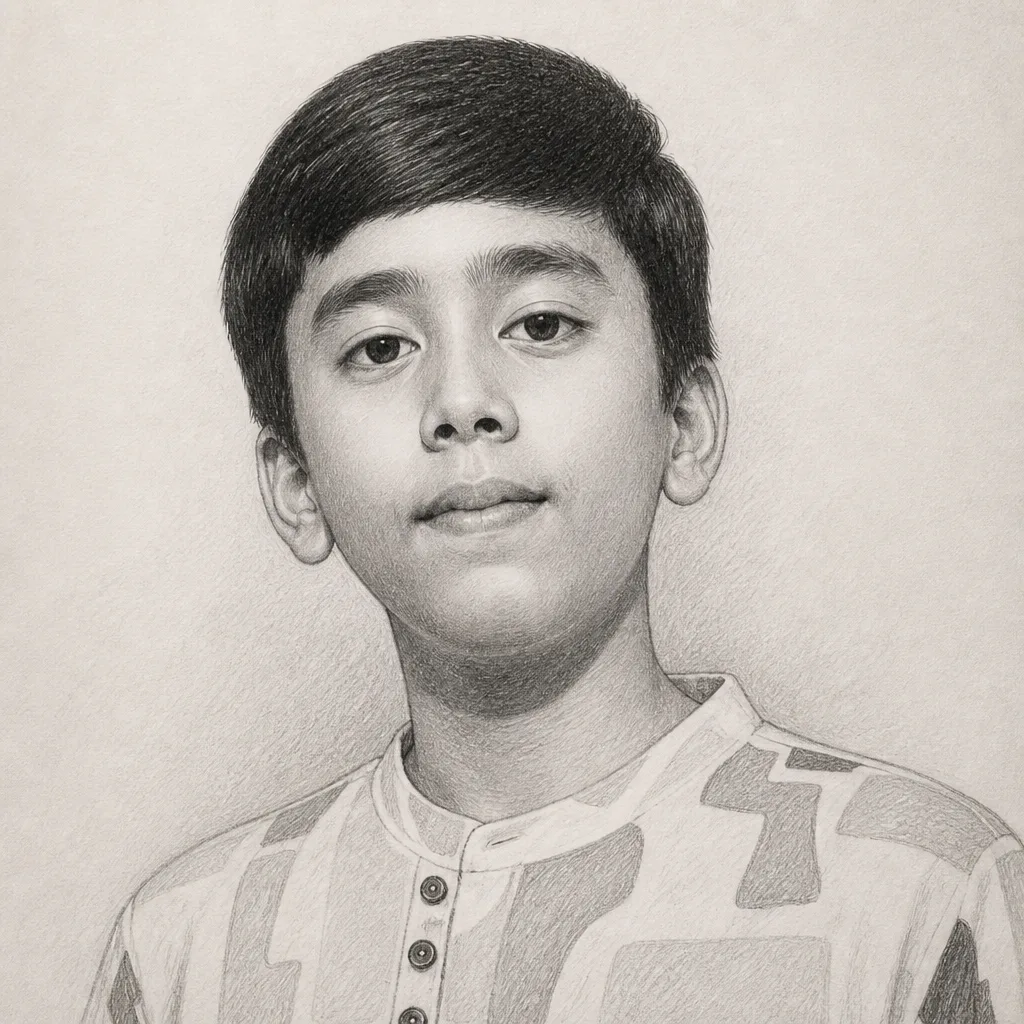
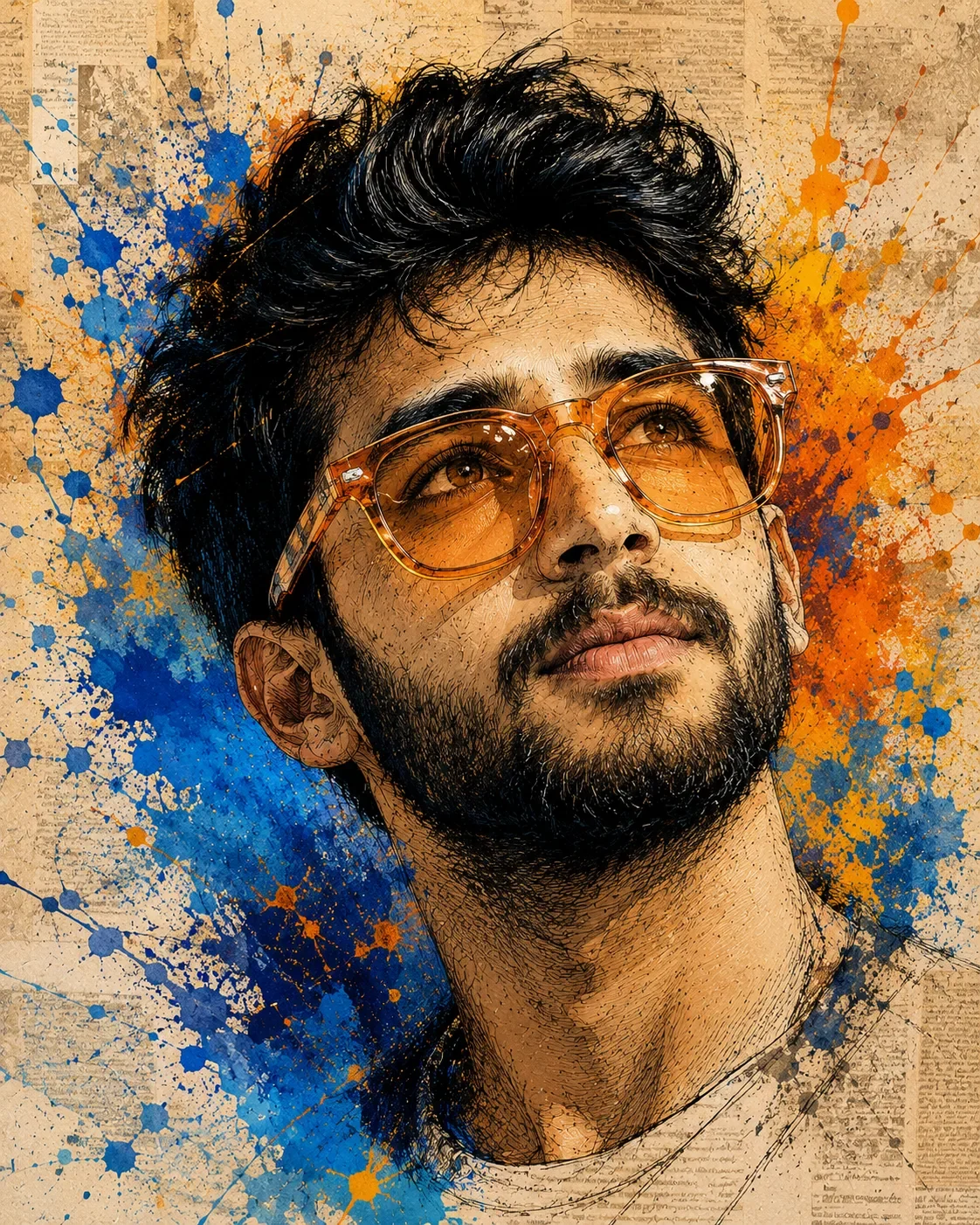
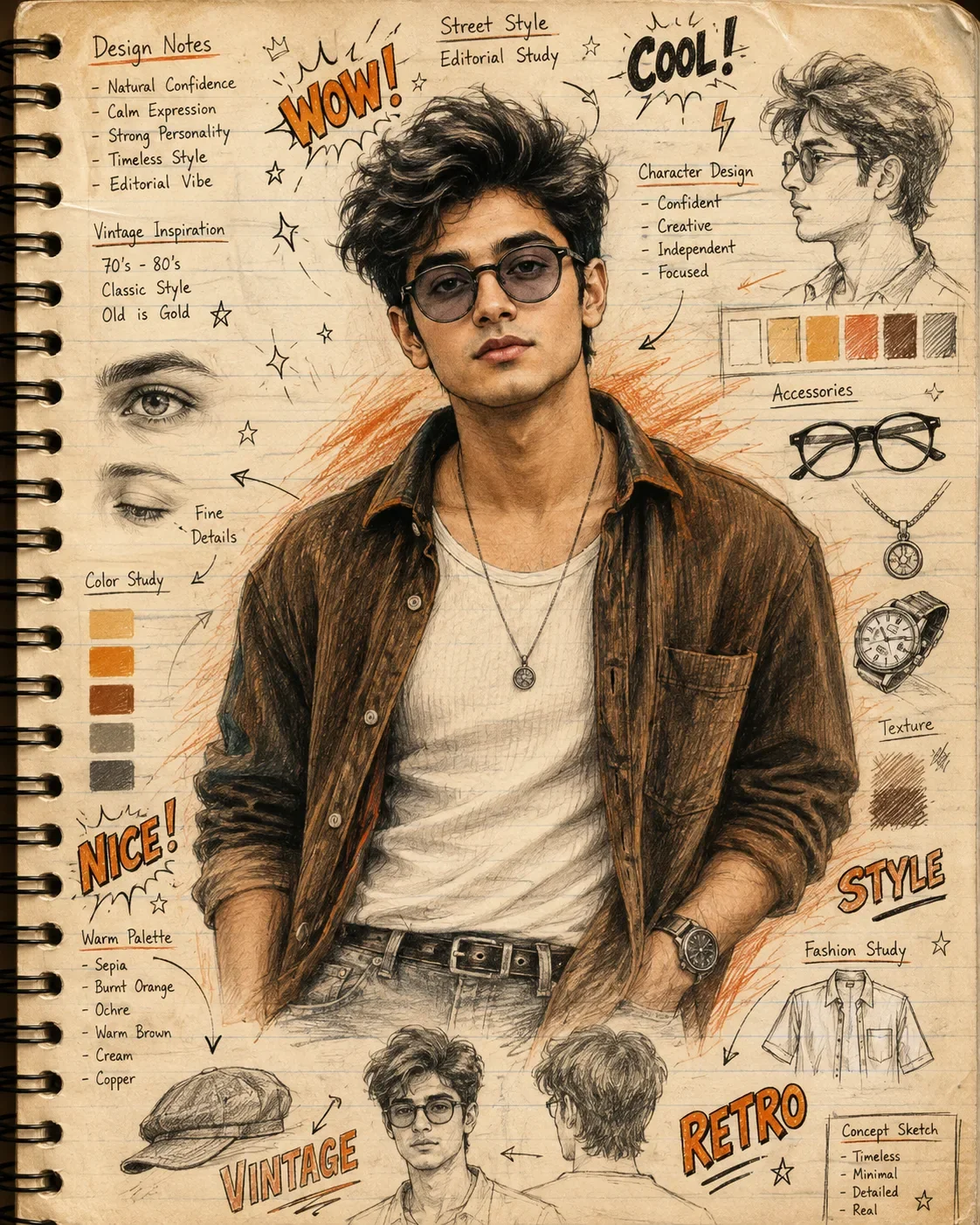
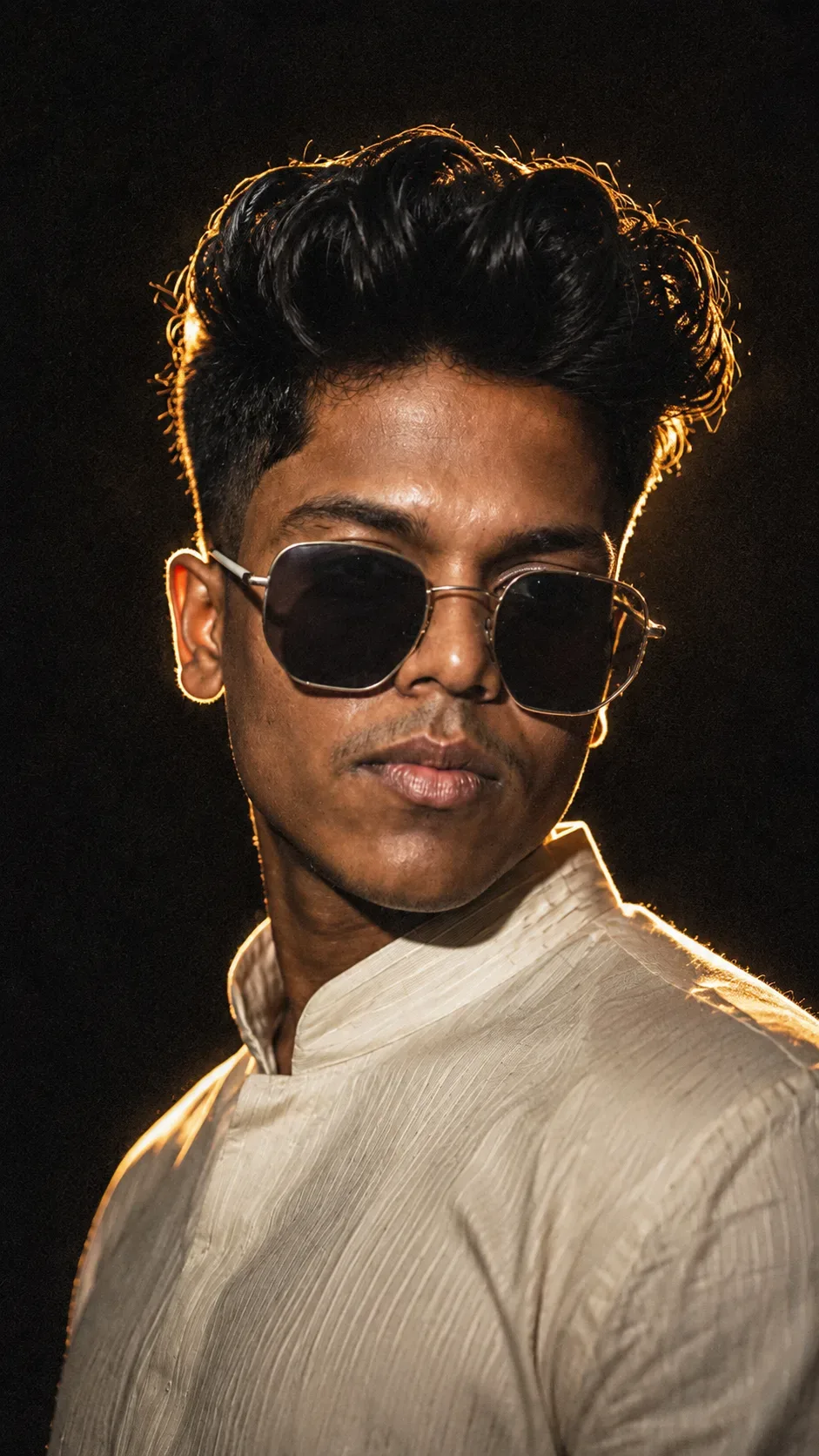
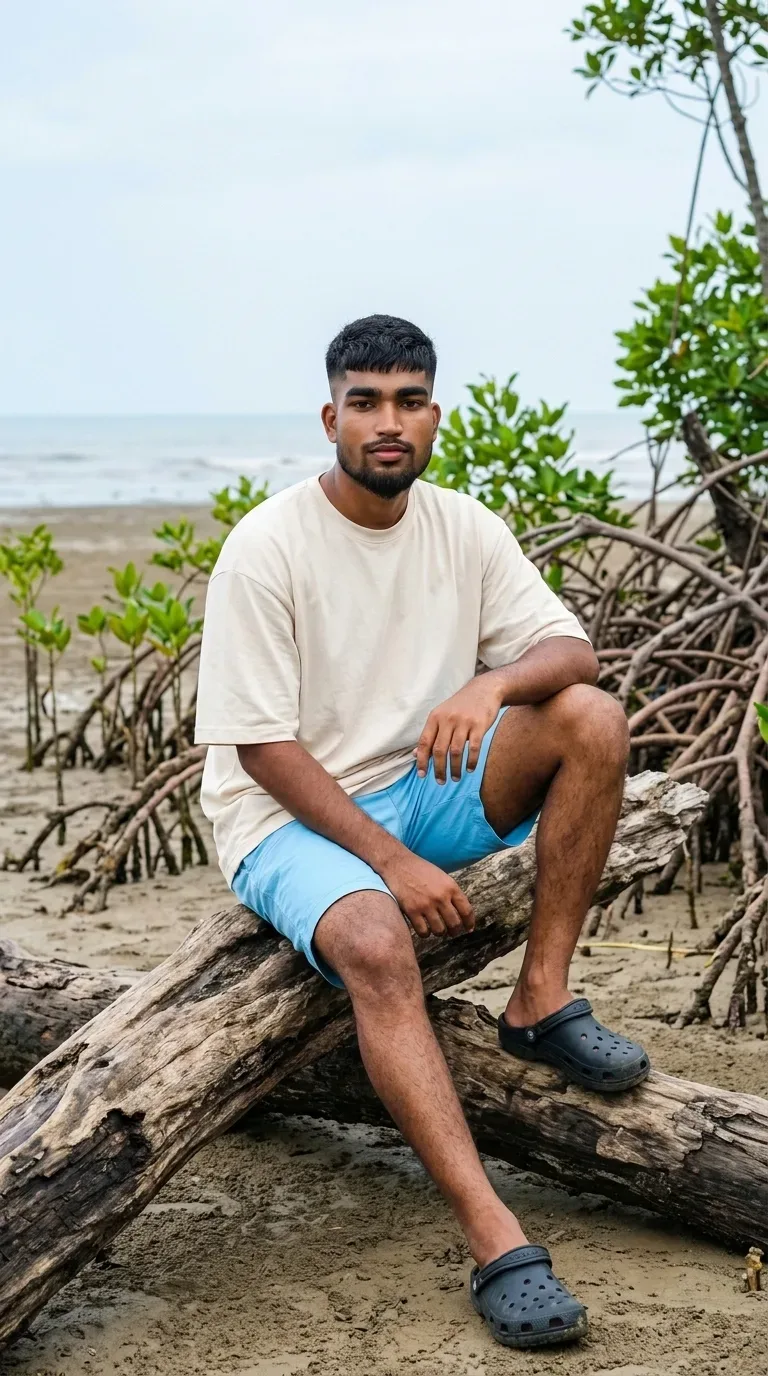
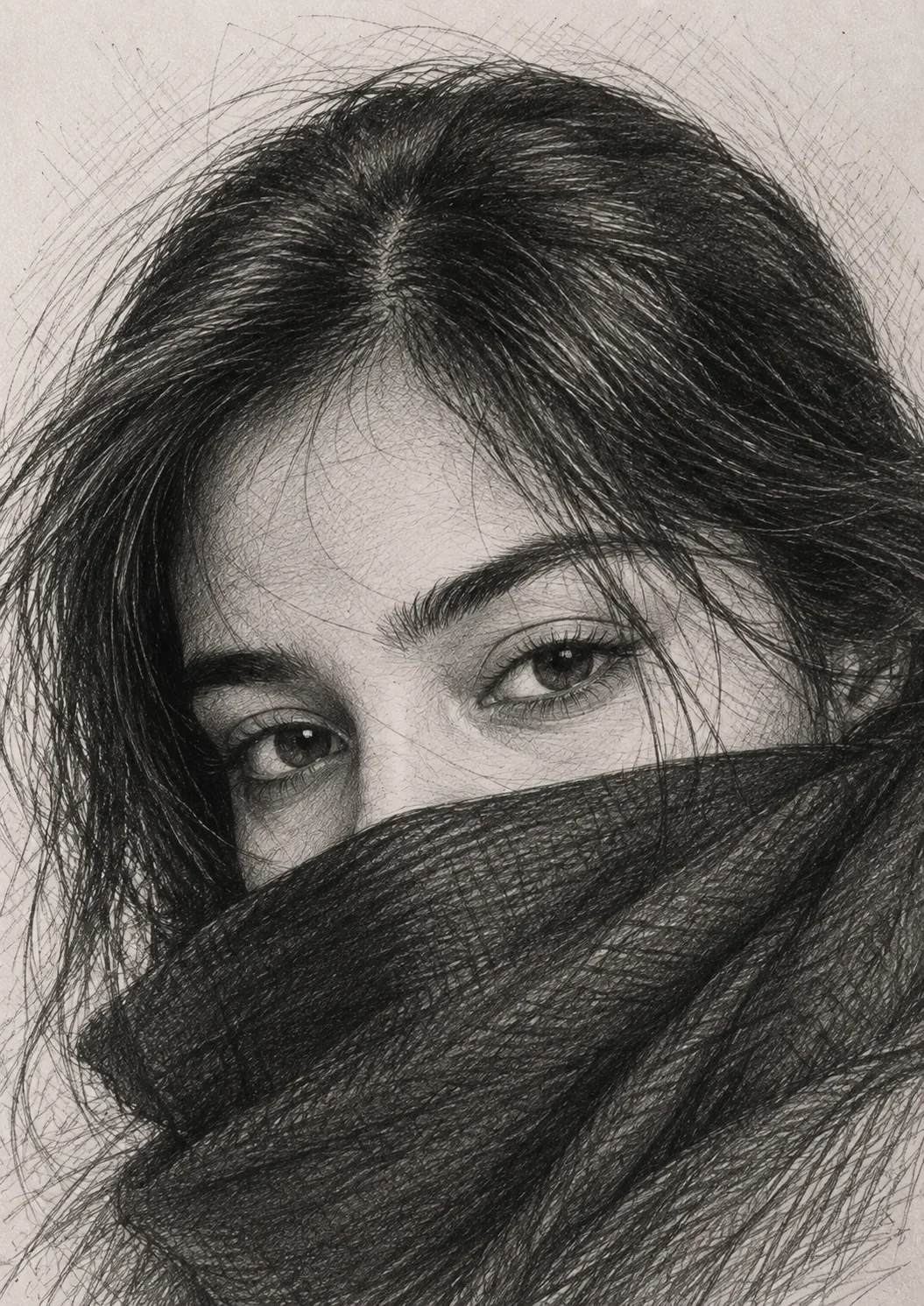
Quick Summary: This verified Google Gemini & Midjourney v6 prompt creates an authentic 90s vintage film aesthetic for Graphite Soul Hand-drawn Identity Portrait AI Photo Prompt with calibrated lighting, authentic texture physics, and tested 1-click copy-paste formula for instant AI generation without facial distortion.
- Illustration 3d
- Ai Image
- Trending
- Illustration 3d
- Ai Image
- Trending
- Viral Prompt
- Gemini Ai
- Bing Image Creator
- Copy Paste
About This Prompt
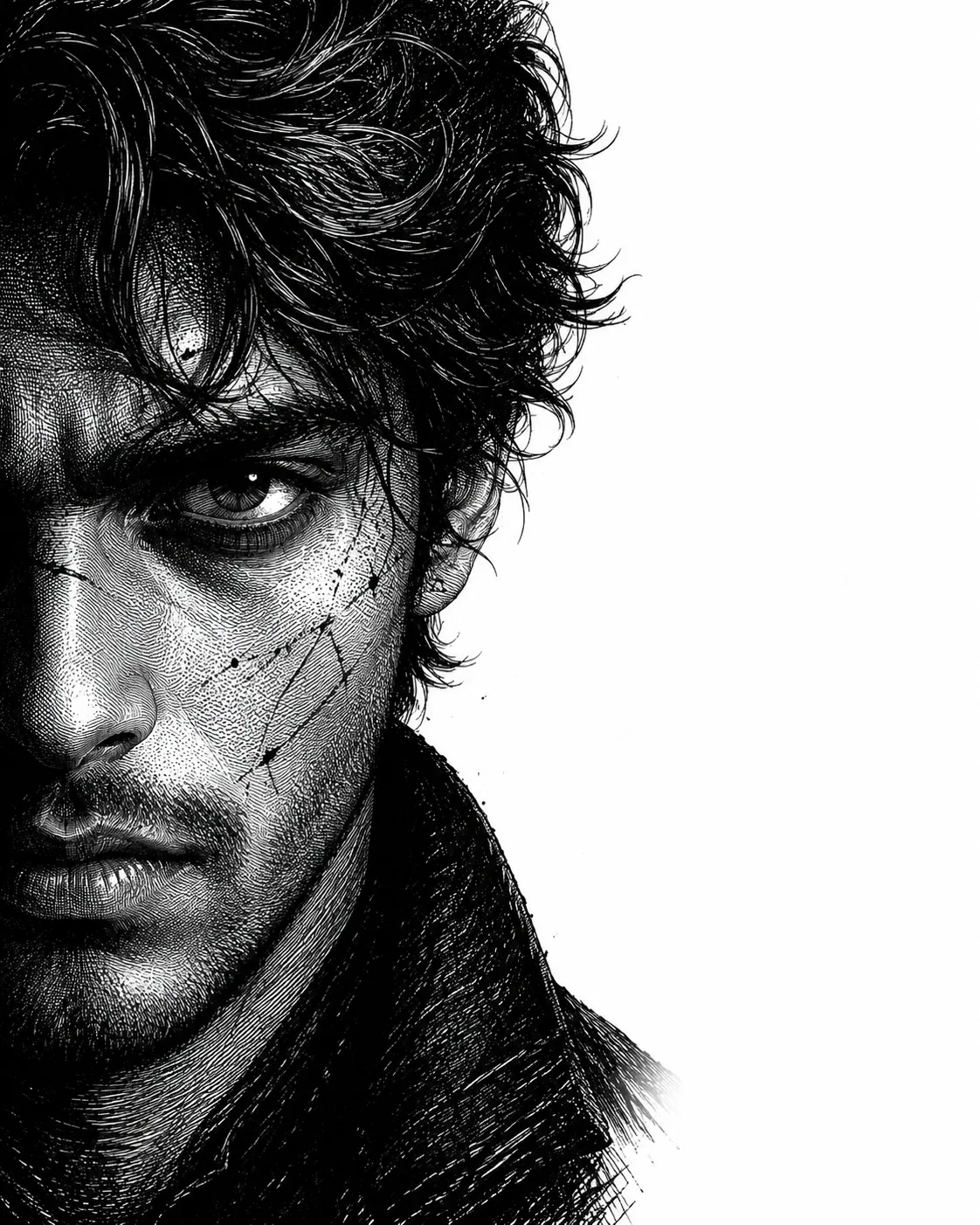
This AI prompt generates a Graphite Soul Hand-drawn Identity Portrait AI Photo Prompt — a high-quality, photorealistic image with balanced lighting, sharp focus, and intricate details suitable for social media sharing and digital content creation.
This prompt works best with Google Gemini. Simply copy the prompt text below and paste it into the generator. You can easily customize specific keywords like colors, backgrounds, or subjects to make the final output uniquely yours.
Graphite Soul Hand-drawn Identity Portrait AI Photo Prompt - Copy Paste AI Prompt
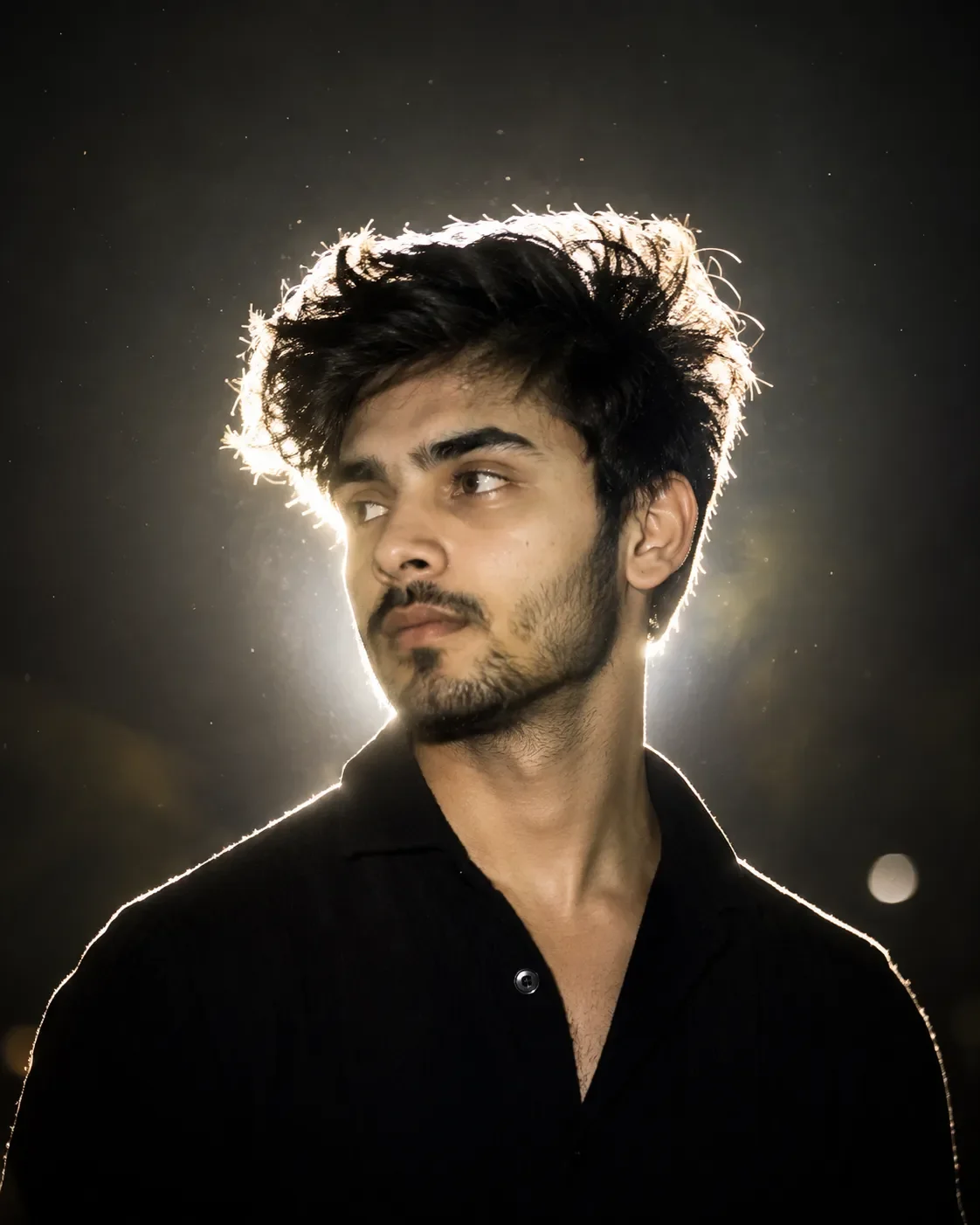
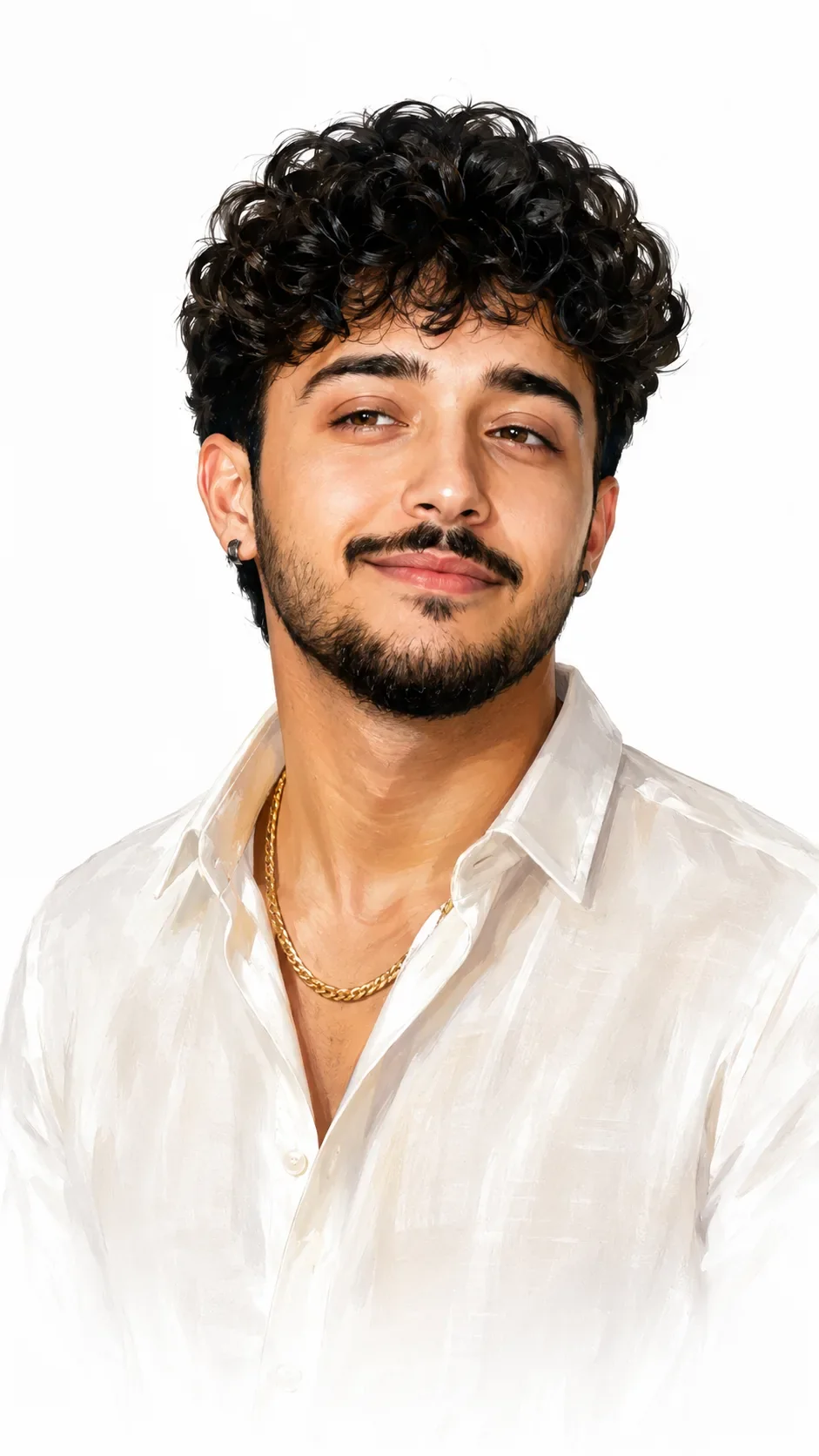
Use the uploaded personal reference photo as the PRIMARY IDENTITY REFERENCE with STRICT IDENTITY PRESERVATION.

Transform the person from the reference photo into a highly detailed hand-drawn graphite pencil portrait while preserving their recognizable identity.

IDENTITY:
Preserve the person's exact facial structure and recognizable characteristics:
facial proportions, eye shape, eyebrow shape, nose structure, cheekbones, jawline, forehead, hairline, natural facial asymmetry, age appearance, and all distinctive facial features.

Do not turn the person into a generic character.

The eyes, facial proportions, and overall bone structure must remain recognizably faithful to the reference photograph.

Do not beautify, idealize, feminize, masculinize, anime-ify, or redesign the person's face.

STYLE:
Create a traditional monochrome graphite pencil drawing on slightly textured white/off-white paper.

The artwork must look genuinely hand-drawn with graphite pencils, not digitally rendered.

Use strong black graphite in the darkest areas and lighter gray pencil strokes throughout the drawing.

Create extensive visible pencil hatching and cross-hatching.

Use hundreds of individual hand-drawn strokes rather than smooth digital gradients.

Allow slight irregularities, overlapping strokes, uneven pressure, stray pencil marks, and imperfect contours so the artwork feels physically drawn by an artist.

COMPOSITION:
Create an extremely tight close-up portrait focused primarily on the person's eyes and upper face.

The face fills almost the entire frame.

Crop the composition closely around the forehead, cheeks, nose, and lower face.

The eyes should be the strongest visual focal point.

Use a slightly angled three-quarter facial orientation if it naturally suits the person's reference, while preserving their actual facial structure.

The composition should feel intimate and dramatic, like a character-study sketch.

FACE:
Render the person's actual facial features using expressive graphite linework.

Use darker strokes around the eyelashes, eyebrows, hairline, eyelids, and strongest facial contours.

Use lighter construction lines for the forehead, nose bridge, cheeks, and surrounding facial planes.

Do not make the skin completely blank white.

Build subtle tonal variation using very fine graphite hatching.

Preserve realistic facial anatomy while keeping the medium unmistakably hand-drawn.

EYES:
The eyes are the primary focal point.

Render the exact eye shape and proportions from the identity reference.

Create highly detailed irises, pupils, eyelids, eyelashes, and subtle shadows beneath the eyes.

Use darker graphite around the upper eyelids and eyelashes.

Add small natural highlights within the eyes using untouched paper.

The eyes should feel expressive and alive despite the monochrome medium.

HAIR:
Preserve the person's natural hairstyle and hairline from the identity reference.

Render the hair using directional graphite strokes following the actual flow of the hair.

Use dense dark pencil shading in the deepest hair regions.

Individual strands should overlap and intersect naturally.

Avoid perfectly smooth digital hair.

Use loose stray pencil lines around the hair silhouette.

LOWER FACE / CLOTHING:
If the reference contains clothing, scarf, mask, collar, or another object around the lower face, preserve its general structure while translating it into expressive graphite strokes.

If generating the same visual concept as the supplied artwork, place a dark fabric face covering/scarf across the lower half of the face, covering the nose and mouth while leaving both eyes clearly visible.

The fabric should be rendered using extremely dense graphite hatching and overlapping directional strokes.

Create realistic folds and creases using curved pencil lines.

The lower face covering should be one of the darkest areas of the image, contrasting strongly with the lighter facial regions.

GRAPHITE TECHNIQUE:
Use multiple levels of pencil pressure:

very light construction lines,
light gray shading,
medium graphite tones,
dense dark hatching,
deep near-black graphite in selected areas.

Use cross-hatching in the shadows.

Use directional hatching that follows facial anatomy.

Use short broken strokes around the eyes and skin.

Use longer flowing strokes through the hair.

Use broad overlapping graphite strokes in the dark fabric.

Leave some construction marks visible.

Allow some lines to extend slightly beyond the intended contours.

Include subtle erased/highlighted areas where the paper shows through.

PAPER:
Slightly rough white drawing paper.

Visible subtle paper grain.

No colored paper.

No digital canvas texture.

The graphite should appear physically deposited onto the paper.

LIGHTING:
Translate the lighting of the identity reference into pencil values rather than realistic color.

Use strong tonal contrast.

Bright areas remain mostly white paper.

Midtones use soft gray graphite.

Deep shadows use dense black hatching.

Create dramatic directional shading around the eyes, nose, hair, and fabric.

COLOR:
STRICTLY monochrome.

Black graphite.
Dark gray.
Medium gray.
Light gray.
White paper.

No color whatsoever.

CAMERA / FRAMING:
Vertical portrait composition.

Extremely close crop.

Face fills approximately 85–95% of the image.

High-detail facial study.

No distant background.

No environmental scene.

The artwork should resemble a photographed page from a professional artist's sketchbook.

AUTHENTIC HAND-DRAWN QUALITY:
Make the drawing imperfect in a deliberate, natural way.

Visible graphite grain.
Visible pencil strokes.
Uneven line pressure.
Subtle smudging.
Tiny stray marks.
Overlapping hatching.
Small construction lines.
Natural eraser marks.
Slightly inconsistent contours.

Do NOT make every line mathematically perfect.

Do NOT use smooth digital gradients.

Do NOT make the image look like a vector illustration.

The final result should look as though a skilled portrait artist spent significant time drawing the person by hand with graphite pencils.

NEGATIVE PROMPT:

photorealistic photograph, color, digital painting, digital illustration, vector art, 3D render, CGI, anime, cartoon, smooth digital shading, airbrushed skin, plastic texture, perfect clean lines, flat black shapes, excessive blur, generic face, altered identity, different facial structure, changed eyes, changed nose, changed jawline, beautified face, unrealistic symmetry, distorted anatomy, oversimplified face, artificial hair, colored pencil, watercolor, oil paint, markers, neon, gradients, text, typography, logo, watermark.

IDENTITY PRIORITY:
The uploaded personal reference controls the person's identity, facial anatomy, proportions, hairstyle, and recognizable features.

The supplied style reference controls the graphite technique, close-up composition, monochrome palette, dramatic hatching, construction lines, and hand-drawn aesthetic.

Preserve the PERSON.
Recreate the ART STYLE.

Optical Identity & Likeness Preservation: Lock subject's authentic facial identity and natural posture while seamlessly integrating with sharp vehicle reflections and cinematic ambient lighting.Frequently asked questions
- How do I use the Graphite Soul Hand-drawn Identity Portrait AI Photo Prompt prompt?
- To use this prompt, simply click the "Copy Prompt" button above. Then, open Google Gemini, paste the copied text into the prompt box, and hit generate. You can instantly generate high-quality images without needing any reference photos.
- What is this prompt best used for?
- This specific prompt is highly optimized for creating engaging social media content and digital art. The formula is structured to produce high-contrast, visually appealing results that perform well on visual platforms.
- Can I customize the details of this prompt?
- Yes! While the core structure of the prompt is optimized for Google Gemini, you can easily customize the details. We recommend changing specific keywords like clothing colors, background locations, or the overall mood (e.g., changing "sunny" to "rainy" or "neon") to match your exact vision.
What You'll Get
- 🎨 Style: Illustration 3d
- ✨ Mood: Illustration 3d
- 📱 Best For: Ai Image
- 🤖 Works With: Google Gemini
- 🔥 Popularity: Copied 566 times
- 📅 Added: Sep 14, 2026
Explore Related Collections
Explore Illustration 3d Prompts — Browse our curated collection of Illustration 3d prompts tailored for creators. View all Illustration 3d prompts →
Explore Ai Image Prompts — Discover more viral Ai Image ideas for your next AI generation. View all Ai Image prompts →
Explore Trending Prompts — Explore our extensive library of Trending templates ready to copy and paste. View all Trending prompts →